
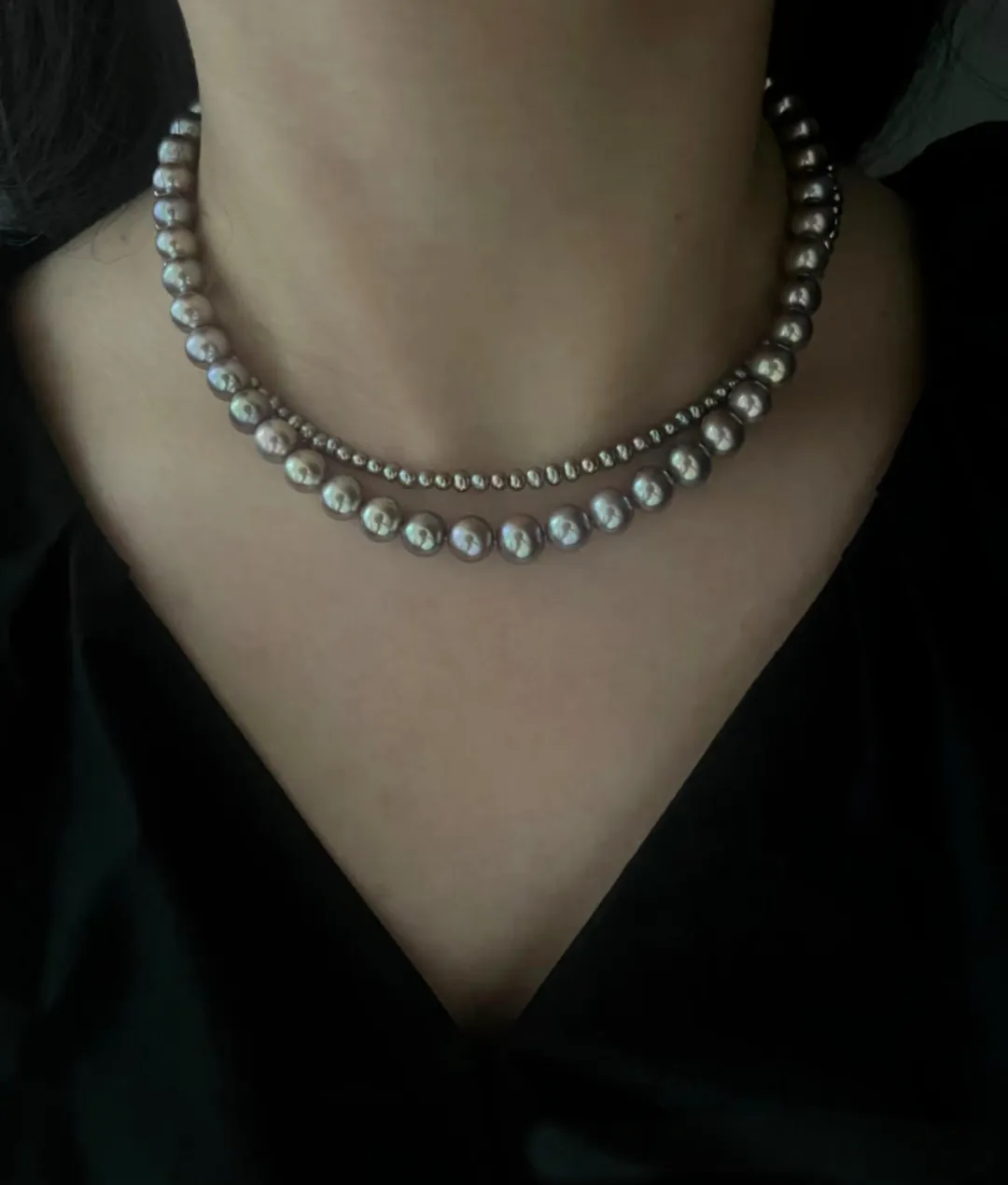
Many people notice their pearls turning yellow after only a short time of wear. The truth is, caring for pearls is a bit like caring for delicate skin—they need moisture, protection, and the right environment to stay radiant. Since pearls are made of more than 90% calcium carbonate and about 4% water, proper care is crucial. When exposed to dryness, chemicals, or harsh environments, pearls can “age” prematurely and lose their natural glow.
Before learning how to protect your pearls, it’s important to understand why they turn yellow.
Why Do Pearls Turn Yellow?
Pearls are naturally vulnerable due to their organic composition. Most yellowing comes from one of two causes:
1. Moisture Loss
Pearls contain a small percentage of water that contributes to their signature luster.
Long-term storage in sealed containers, exposure to heat, or extremely dry environments can cause moisture to evaporate. As pearls lose hydration, they gradually become dull and yellow.
2. Environmental Damage
Pearls have microscopic pores that absorb substances from the air and from direct contact—such as sweat, perfume, hair spray, and kitchen fumes.
These contaminants can penetrate the nacre, damaging the calcium carbonate layers and causing discoloration, dark spots, or uneven yellowing.
The good news? With the right routine, you can preserve your pearls’ beauty for decades.
10 Pearl Care Tips Every Pearl Lover Must Know
1. Keep Pearls Away from Chemicals
Chemical exposure is the biggest enemy of pearls.
Perfume, lotion, sunscreen, makeup, and even hairspray contain ingredients that erode the nacre. Always apply your cosmetics first and wear your pearls last.
When doing household chores, remove your pearl jewelry—soaps and cleaning agents can permanently damage the surface.
2. Avoid the Kitchen
Heat, steam, and oil fumes can oxidize and yellow pearls.
Never wear pearls while cooking, and avoid chemical-heavy environments such as hair salons, especially during dyeing or perm treatments.
3. Clean After Every Wear
After each use, wipe your pearls with a soft, dry cloth to remove sweat, oils, and dust.
If there are visible stains, gently wipe with a soft cloth dampened with clean water, then dry thoroughly and let them air-dry naturally.
4. Wear Your Pearls Often
Pearls benefit from natural humidity.
Regular wear helps them maintain moisture and luster.
Storing pearls for long periods, however, may lead to dehydration and dullness.
5. Keep Away From Direct Sunlight
Avoid wearing pearls in strong sunlight or during outdoor activities like beach trips.
Heat accelerates moisture loss and can permanently damage the nacre.
6. Store Pearl Necklaces Flat
The silk thread inside pearl necklaces weakens over time if hung vertically.
This may cause stretching, loosening, or even breakage.
Store your necklace flat in its case to prevent tension and uneven pressure on the pearls.
7. Don’t Expose Pearls to Excess Water
Pearls should not be soaked or worn while showering or exercising.
Excess moisture can seep into the drill holes, weakening the layers inside.
If your pearls accidentally get wet, wipe them dry immediately and let them air-dry in a shaded, ventilated place.
8. Store Pearls Separately
Pearls are softer than most gemstones and metals.
To avoid scratches, keep them away from gold, silver, and other jewelry.
Use soft pouches or wrap them in a microfiber or velvet cloth.
9. Don’t Sleep With Pearls On
Sleeping with pearl jewelry can cause accidental pressure, thread breakage, or rubbing that leads to dull surfaces.
While pearls are safe for the body, they are not safe from nighttime movements.
10. Restring Your Pearls Regularly
Check your pearl necklaces every 1–2 years.
If the silk thread looks loose, fuzzy, or dirty, have it restrung by a professional.
Even if everything looks fine, restringing every 3 years is recommended—more frequently if you wear them often.
What If Your Pearls Have Already Turned Yellow?
Yellowing is often irreversible, especially in older pearls, but it can sometimes be slowed or slightly improved with professional cleaning and polishing by experienced jewelers.
Prevention is always more effective than restoration—consistent care is key to preserving a pearl’s natural glow.
