
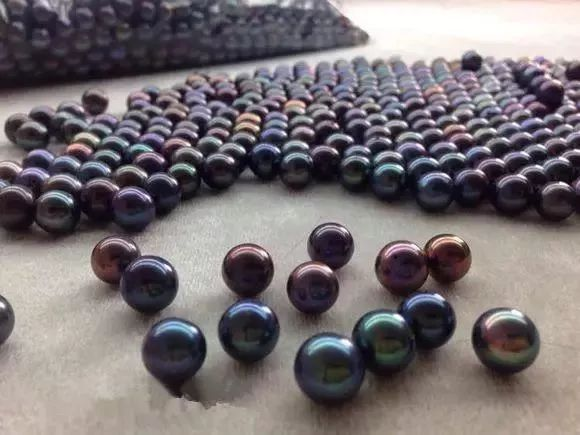
To conceal surface imperfections or artificially increase value, some unethical sellers dye ordinary pearls and sell them as high-end varieties. For example, inexpensive pearls worth only a few dozen dollars may be dyed to imitate black pearls or South Sea golden pearls and then sold for thousands of dollars.
Because of this, learning how to identify dyed pearls is essential for anyone considering buying pearls. In this guide, we explain why pearls are dyed, how professionals identify dyed pearls, and how consumers can avoid costly mistakes.
1. Why Are Pearls Dyed?
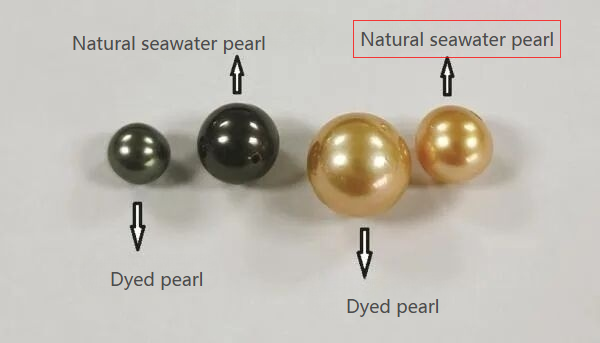
Dyed pearls are common in the market, especially when sellers attempt to imitate rare or expensive pearl colors. The most common dyeing methods include:
1.1 Penetration Dyeing
Pearls are soaked in chemical dye solutions. The dye adheres to the surface or penetrates into the nacre, altering the pearl’s color.
1.2 Radiation (Laser) Dyeing
Some lower-quality saltwater pearls require both chemical dyeing and high-energy light exposure to help the dye penetrate evenly. This process is often referred to as laser dyeing or radiation dyeing.
1.3 Coating Dyeing
A thin colored coating is applied to a colorless pearl, making it appear similar to a naturally colored pearl. This treatment affects only the surface and is the least stable over time.
2. How to Identify Dyed Pearls
2.1 Microscopic Examination
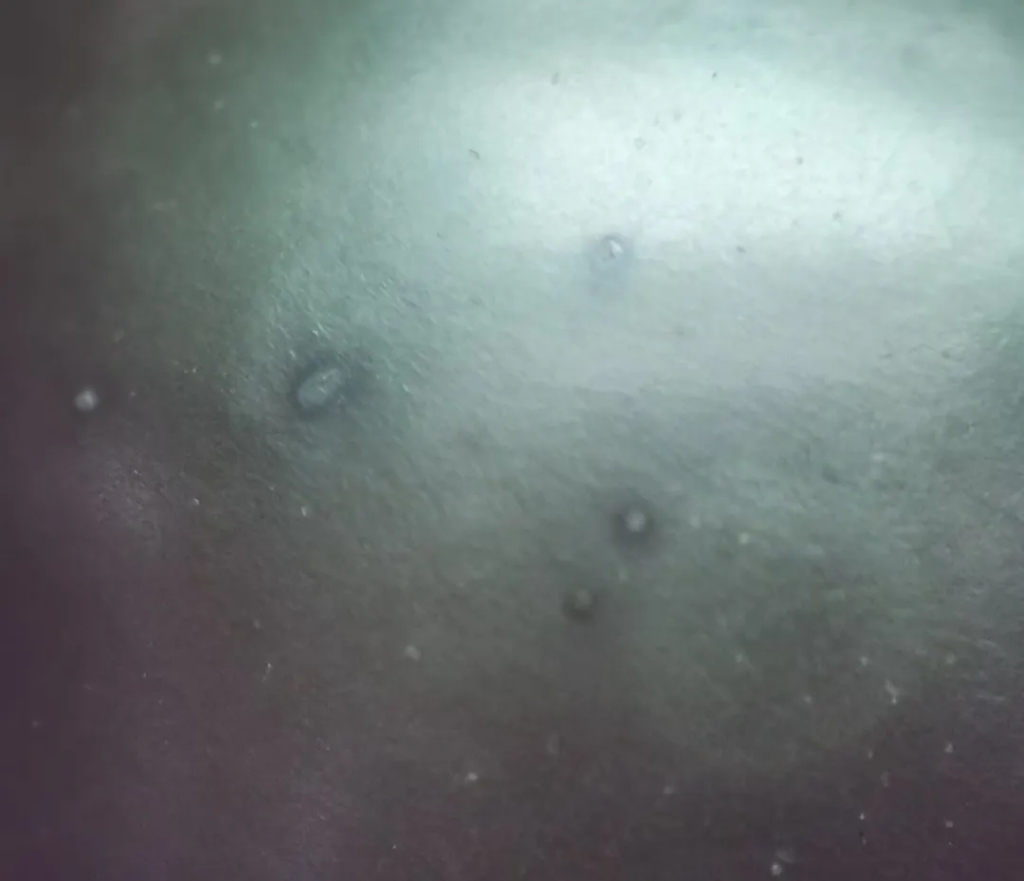
Under magnification, naturally colored saltwater golden and black pearls show smooth, even color distribution. There is no pigment accumulation in surface pits or blemishes.
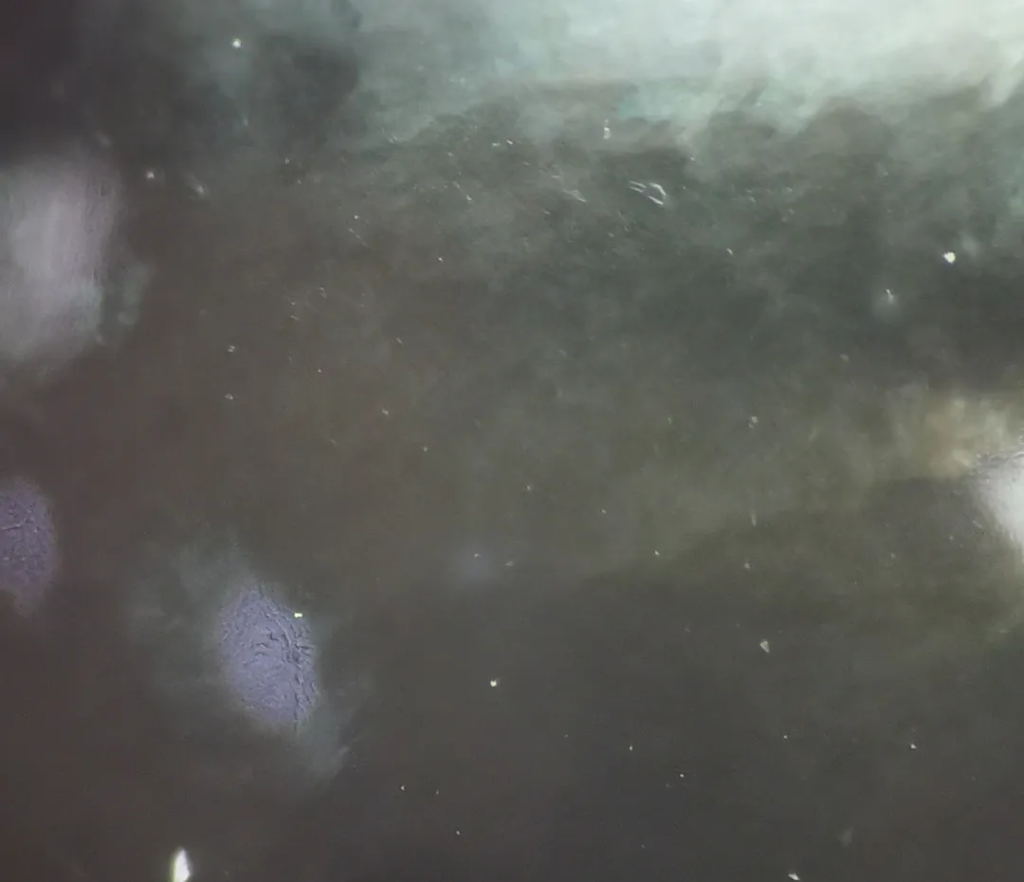
Dyed pearls, however, often display uneven coloration, with dye concentrated in surface depressions, causing darker spots in those areas.
2.2 Ultraviolet (UV) Fluorescence Analysis
When examined under ultraviolet light:
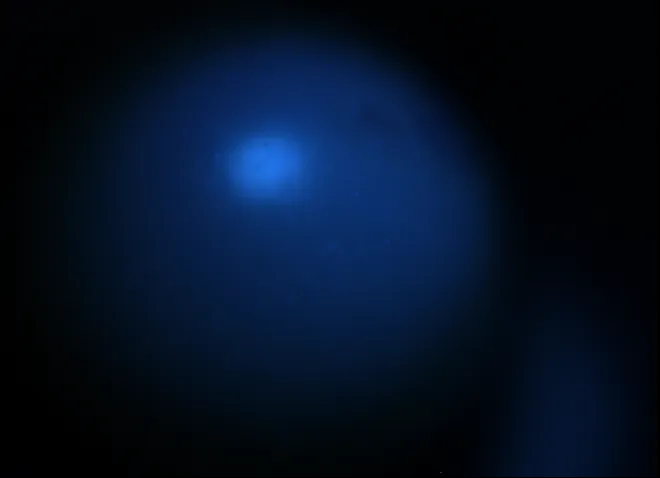
- Natural South Sea golden pearls typically appear deep blue
- Some dyed golden pearls fluoresce yellow-green, indicating artificial treatment

2.3 Elemental Composition Analysis
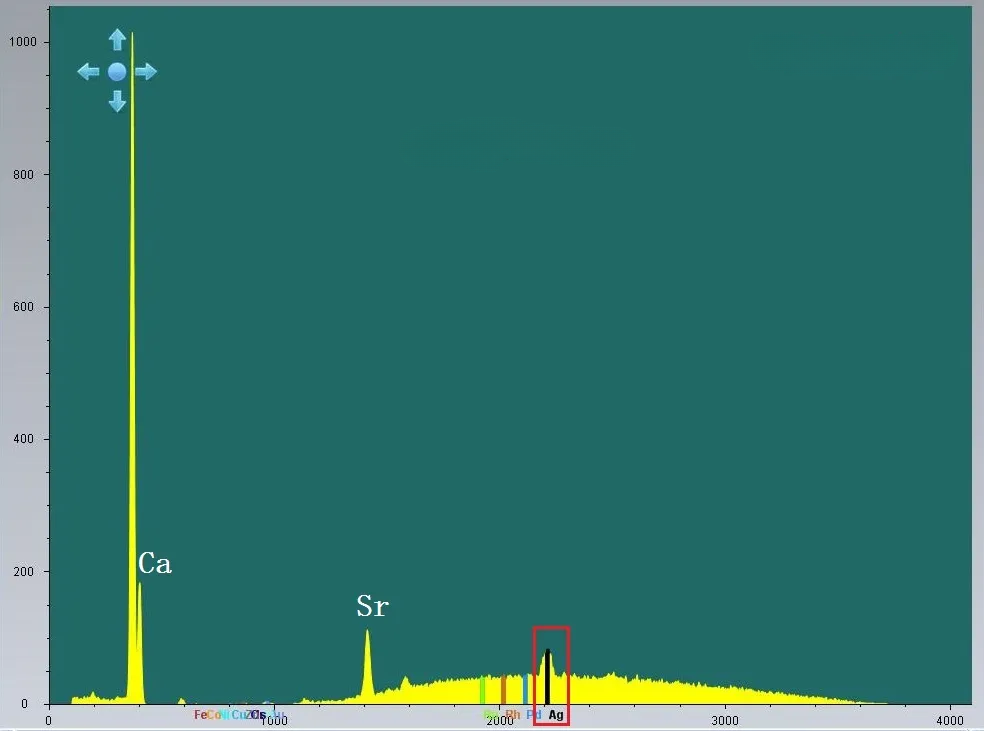
Many dyed black pearls are actually freshwater pearls. When tested using X-ray fluorescence spectroscopy (XRF), these pearls often show silver (Ag) absorption peaks, as silver compounds are commonly present in black pearl dyes.
2.4 UV–Visible Spectroscopy
Natural pearls exhibit distinct spectral characteristics:
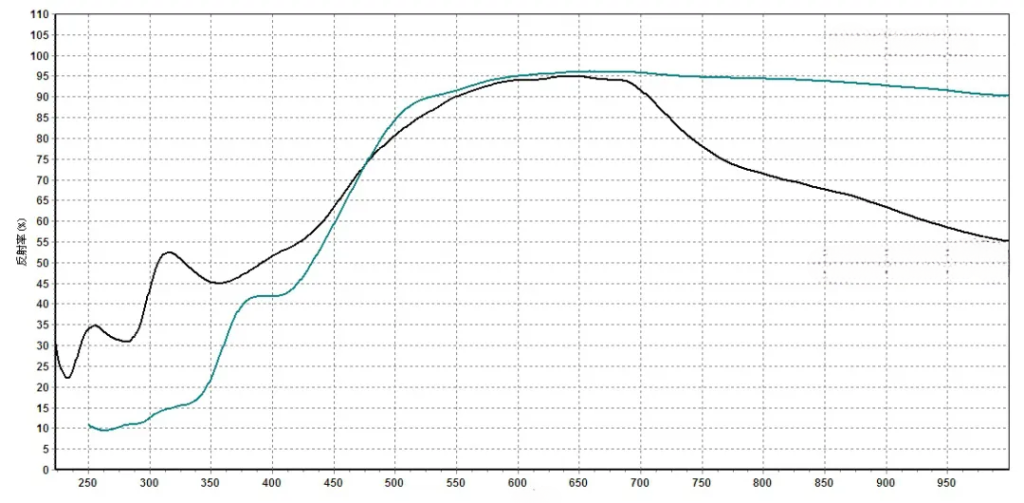
- Natural golden pearls show pigment absorption peaks at 360 nm and 420 nm, with the 360 nm peak stronger than the 420 nm peak
- A clear amino acid absorption peak appears around 280 nm
Dyed golden pearls may:
- Lack the 360 nm peak entirely
- Show a stronger 420 nm peak than the 360 nm peak
- Exhibit a weakened 280 nm amino acid peak
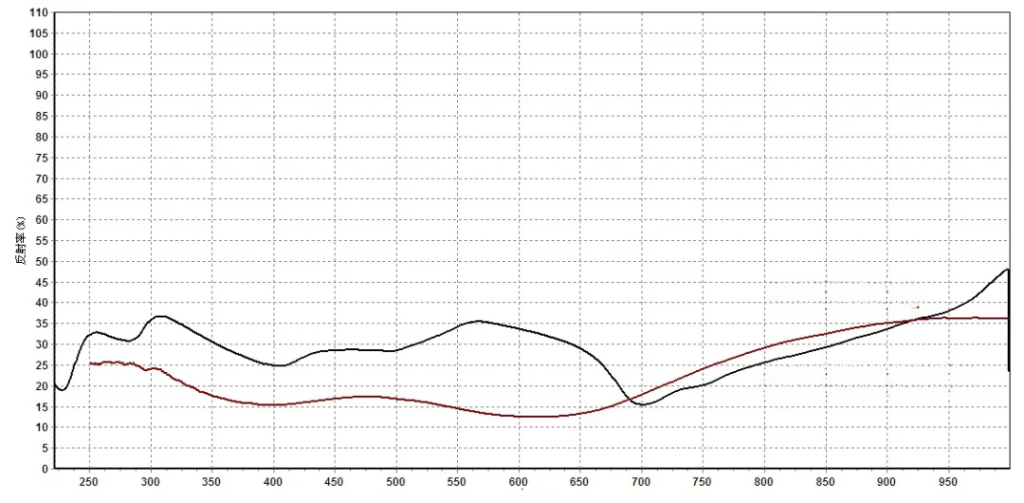
Natural black saltwater pearls display characteristic absorption peaks at 400 nm, 500 nm, and 700 nm, with the strongest at 700 nm. Dyed black pearls often lack these peaks.
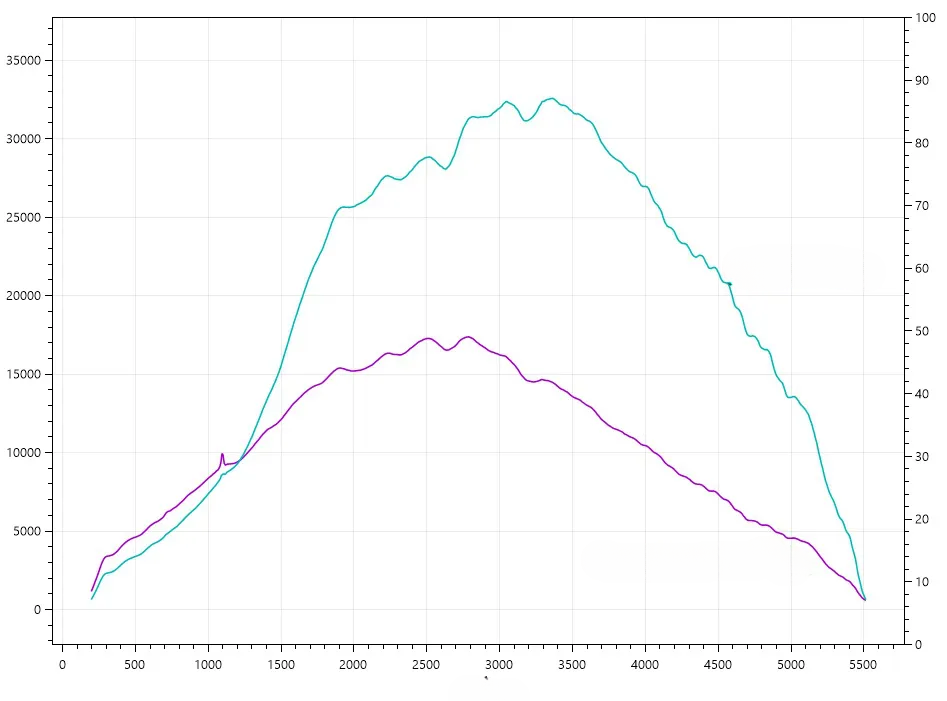
2.5 Raman Spectroscopy
Natural saltwater golden pearls show a clear aragonite peak at 1087 cm⁻¹, with a relatively low fluorescence background.
Dyed pearls, affected by coloring agents, exhibit:
- A weakened aragonite peak at 1087 cm⁻¹
- A significantly stronger fluorescence background
3. Can Dyed Pearls Be Identified by Eye Alone?
In most cases, no.
Dyed pearls cannot be reliably identified by visual inspection alone. As pearl treatment techniques continue to evolve, professional laboratory testing remains the most accurate way to confirm whether a pearl’s color is natural.
If there is any doubt, consumers should submit pearls to a certified gemological laboratory for evaluation.
4. How to Avoid Buying Dyed Pearls
4.1 Don’t Chase “Bargains”
Naturally colored pearls—especially golden and black pearls—are rare and valuable. If a pearl appears flawless, vividly colored, and unusually inexpensive, it is likely treated.
In the pearl market, you get what you pay for. There are very few genuine “steals.”
4.2 Buy from Reputable Sellers
Trusted sellers follow industry standards, disclose treatments honestly, and protect their reputation by offering authentic products. Choosing reputable merchants greatly reduces the risk of purchasing dyed or misrepresented pearls.
