
Pearls are formed inside shellfish when a grain of sand or some tiny object gets inside the shell. The shell slowly coats it layer by layer, creating what we know as a pearl. They’re literally a gift from nature—an ancient organic gem, and the only gemstone that’s actually created inside a living creature. In a way, pearls are alive.
Most pearl oysters live around 30 years (even less in polluted environments). And a natural pearl the size of a pea can take around ten years to grow. That’s one of the reasons pearls are so rare and valuable.
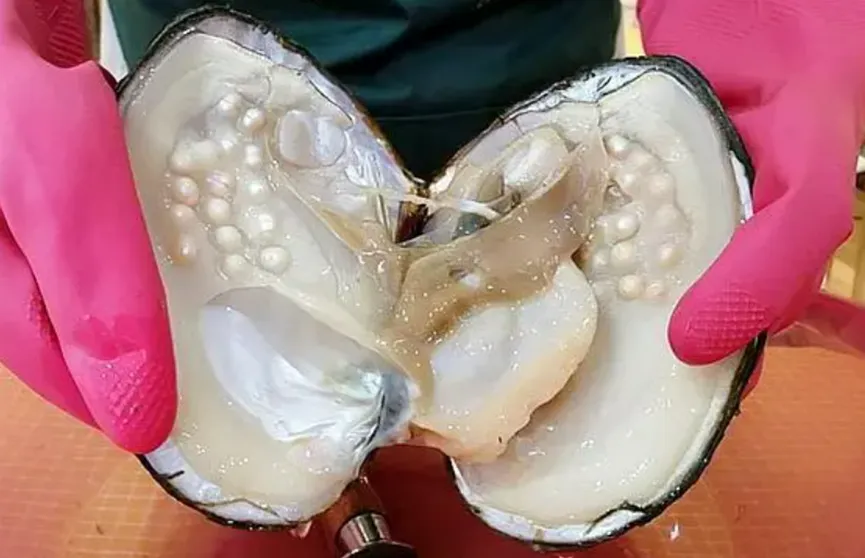
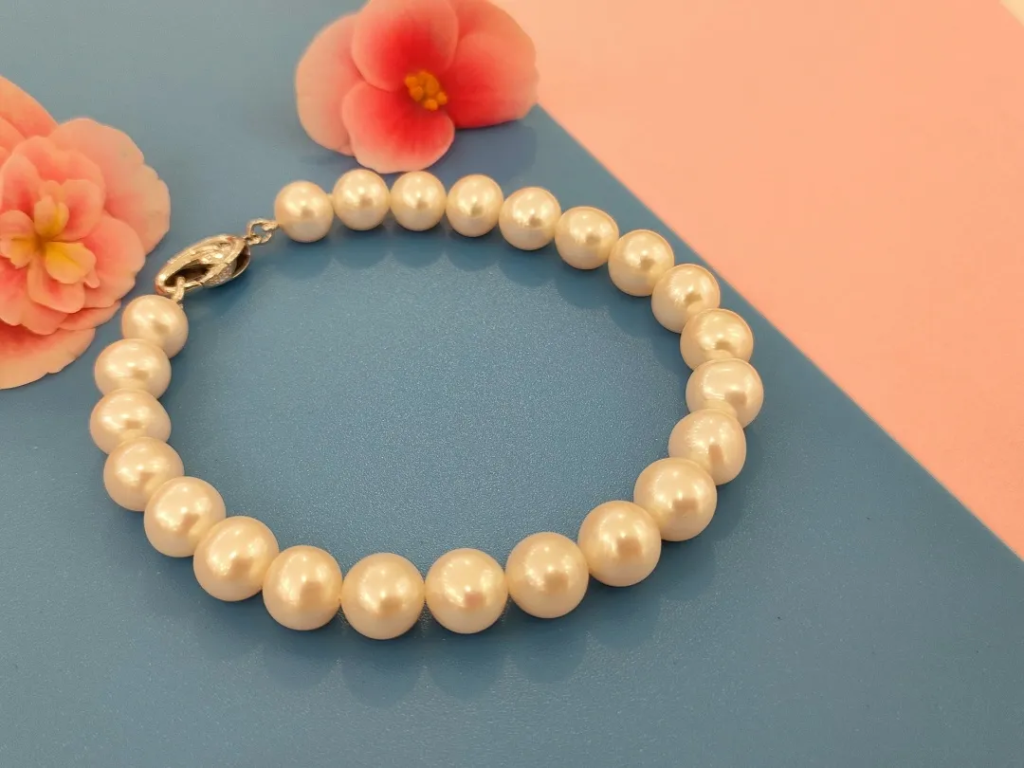
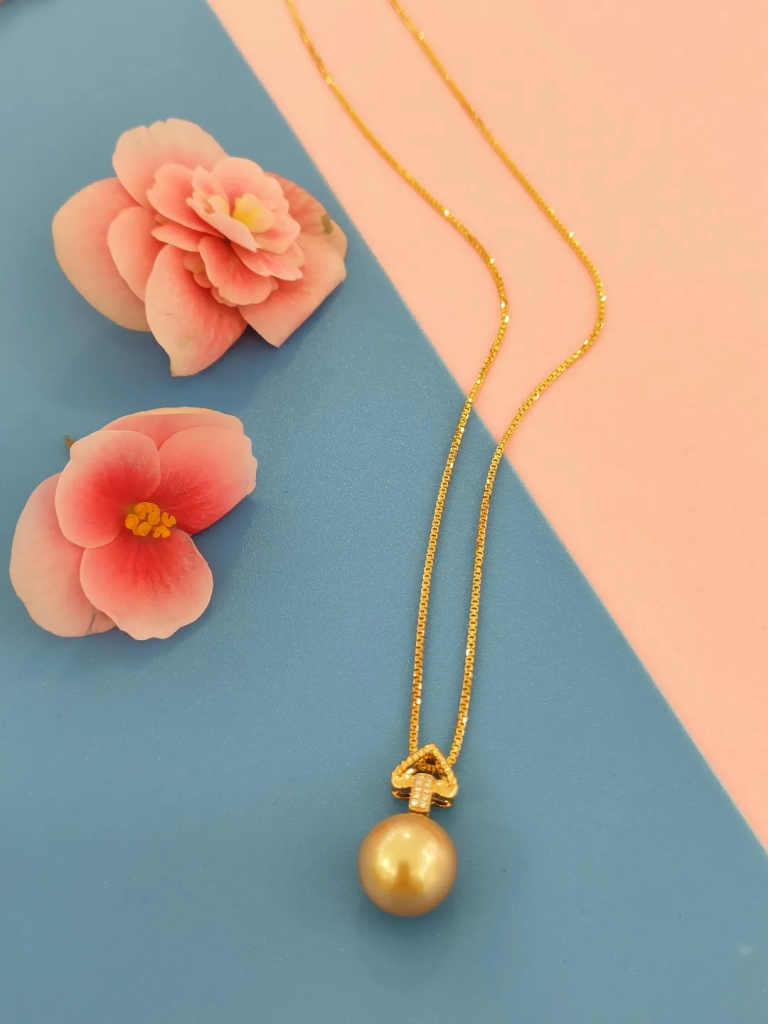
In the jewelry world, pearls are known as the “Queen” among the “Five Kings and One Queen.”
The Five Kings are: diamonds, rubies, sapphires, emeralds, and jade.
The One Queen: pearls.
Their natural beauty and elegance have made them top-tier gems for thousands of years. Pearls symbolize good fortune, health, and happiness. People have given them even more meanings:
•luxury and elegance
•someone deeply loved
•a woman’s graceful beauty
Different cultures have their own legends:
•Ancient Romans believed pearls were the essence of the goddess Venus—pure beauty and love.
•The Greeks said pearls formed when lightning hit the ocean.
•In India, pearls were thought to be dewdrops that fell into the sea at night, collected by the gods to adorn their daughters.
Five Legendary Pearls in History
Pearl culture began along the Ganges River in India around 5,000 years ago. Pearls were considered a symbol of wealth and were listed among the “Seven Buddhist Treasures,” along with coral, agate, crystal, amber, conch, and musk.
Here are the five most legendary pearls ever recorded:
1. Cleopatra’s Pearl
Cleopatra owned a pair of huge, insanely valuable pearls—rumored to be worth enough to feed all of Egypt for 100 years.
Legend says she crushed one of these pearls into a cup of wine and drank it in front of her lover Mark Antony to show him what real extravagance looked like, hoping he’d stop wasting money on endless feasts. The second pearl later fell into the hands of Julius Caesar, but where it ended up afterward is still a mystery.

2. The Pearl of Asia
The “Pearl of Asia,” found in 1628 in the Persian Gulf, was once the second-largest natural pearl in the world—about 100mm long and weighing 121g.
It was gifted to a Persian queen, then later to China’s Emperor Qianlong, and eventually ended up with Empress Dowager Cixi. When foreign armies invaded Beijing in 1900, the pearl was taken and disappeared.
It resurfaced in Hong Kong in 1918, was bought by the Catholic church, stolen by a Belgian couple, recovered when it got stuck in a toilet pipe (yes, really), and then vanished again. In 1993, Japan claimed to have borrowed it for a display, but its true whereabouts remain uncertain today—one of history’s great mysteries.
3. The Pearl of Lao Tzu (The Pearl of Allah)
In 1934, a boy drowned when a giant clam trapped his leg in the Philippines. When people opened the clam, they found the largest natural pearl ever discovered—241mm long and weighing a massive 6,350g.
It was named the “Pearl of Allah” (or “Pearl of Lao Tzu”).
In 1969, the local chief gave it to an American doctor who saved his son’s life. At the time, the pearl was valued at over $4 million. Today, it’s kept in a vault in San Francisco.
4. La Régente (The Regent Pearl)
La Régente is one of the largest historically recorded pearls, once set in the French royal crown. Napoleon gave it to his second wife, Marie-Louise. It weighs 84.25 carats and was sold in 1887. It has appeared in auctions alongside royal diamonds and remains one of France’s most famous pearls.
5. The Medici Pearl Necklace
The Medici necklace had six strands of perfectly round pearls and 25 large centerpiece pearls. It originally belonged to Pope Clement VII, who gifted it to his niece Catherine de’ Medici when she married the King of France in 1533.
The necklace passed through generations of royalty—from French queens to Scottish queens, to England’s rulers. It was worn by at least 14 queens before disappearing into history. No one knows where it is today.
Across thousands of years, one thing hasn’t changed:Jewelry—especially pearls—never goes out of style.
