
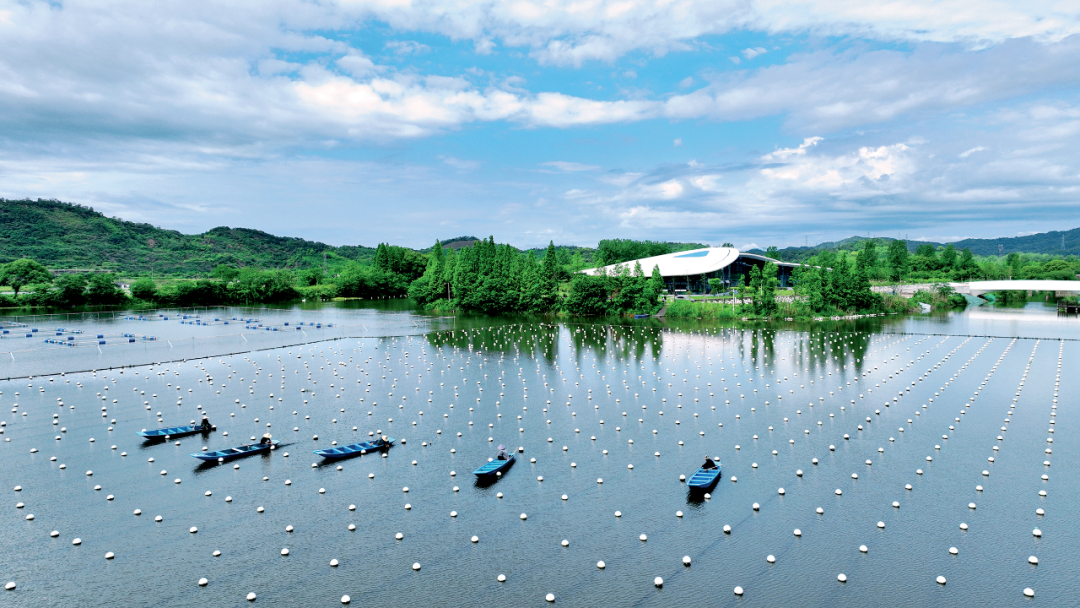
A Complete Buyer’s Guide for Akoya, South Sea, Tahitian, and Freshwater Pearls
1. Japan — The Legendary Home of Akoya Pearls
Japan is the undisputed leader of high-quality Akoya pearls, famous for their sharp, reflective luster and classic round shape. These are the pearls that most people imagine when they think of a “traditional white pearl necklace.”
1.1 Overview
Japan is the birthplace of modern pearl cultivation. In the late 1800s, Kokichi Mikimoto revolutionized the industry by developing techniques to culture pearls consistently, making Japan a global pearl powerhouse.
Today, Japanese Akoya pearls remain the gold standard for quality.
Why they’re famous:
- Mirror-like luster
- Excellent roundness
- Timeless white, silver, and rose overtones
- Premium grading system
1.2 Key Farming Regions
Over 90% of Japan’s Akoya pearls come from five prefectures:
- Mie
- Ehime
- Nagasaki
- Oita
- Kumamoto
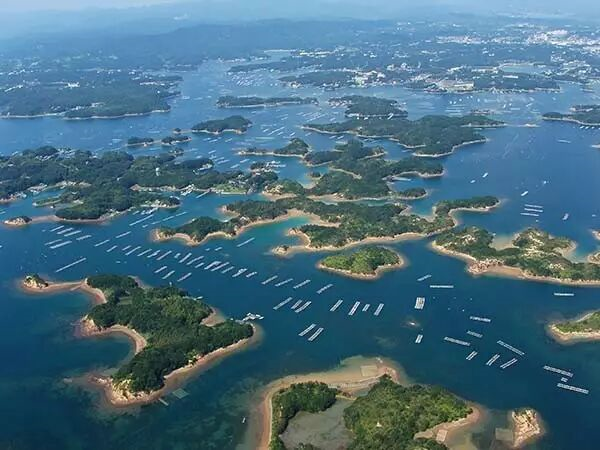
Ago Bay (Ise-Shima) — “The Cradle of Pearls”
Ago Bay in Mie is historically Japan’s most iconic pearl-farming region. Pearl harvesting in this area dates back to the Nara period (8th century). Mikimoto’s first commercial pearl farms were established here.
Due to environmental changes, modern large-scale farming has shifted to Ehime and Kumamoto, but Ago Bay remains a symbol of Japan’s pearl heritage.
1.3 Farming Characteristics
✔ Advanced Oyster Breeding
Japan cultivates Pinctada fucata martensii—the Akoya oyster. To reduce mortality caused by inbreeding, Japanese growers use hybrid oysters from China’s Beihai region to improve resilience.
✔ The Strictest Quality Controls in the World
Japan enforces clear rules for nacre thickness:
- Minimum 0.3 mm to enter the market
- 0.4 mm or more for Hanadama grade (top-tier Akoya)
- Most high-quality Akoya pearls measure 0.35–0.40 mm
✔ Strong Branding and Market Identity
Japan is home to world-class pearl brands:
- Mikimoto
- TASAKI
These companies helped establish Japan’s international reputation for high-end pearls.
2. Australia — The World Leader in South Sea White Pearls
Australia produces the finest South Sea white pearls, often considered the most luxurious pearls on earth due to their size, luster, and thick nacre.
2.1 Overview
Australian South Sea pearls come from the large Pinctada maxima oyster. Most pearls exceed 12 mm, with exceptional specimens reaching 15–18 mm or more.
Why they’re famous:
- Extremely thick nacre (up to 4 mm)
- Soft, glowing luster
- Large, flawless round pearls
- High rarity and premium pricing
2.2 Key Farming Region: Broome
More than 90% of Australian South Sea pearl farms are located along the northern coast.
Broome — The iconic capital of South Sea pearls
Broome’s pristine waters offer ideal conditions for large golden- and silver-lipped oysters. The region is known worldwide for producing some of the highest-quality pearls ever harvested.
2.3 Farming Characteristics
✔ Advanced Hatchery Technology
Australia uses some of the world’s most precise pearl-farming techniques, combining traditional knowledge with Japanese expertise.
✔ Extreme Sustainability Standards
Australia enforces strict environmental regulations to protect marine ecosystems—one reason its pearls command premium prices.
✔ Prestigious Brands
Australia produces pearls for luxury brands such as:
- Paspaley
- Autore
These names often appear in high-end jewelry boutiques globally.
3. French Polynesia — The Kingdom of Tahitian Black Pearls
Tahitian pearls are famous for their natural dark tones and spectacular rainbow overtones.
3.1 Overview
Cultured from the black-lipped oyster (Pinctada margaritifera), Tahitian pearls come in unique shades such as:
- Peacock
- Aubergine
- Pistachio
- Charcoal grey
- Blue-green
3.2 Key Farming Regions
French Polynesia consists of 118 islands, but most pearl farms are found in the following areas:
- Society Islands
- Tuamotu Archipelago
- Gambier Islands
Tahiti (commercial name)
Although Tahiti itself is not a major farming site, it is the trade center.
About 95% of the world’s black pearls are produced in French Polynesia.
3.3 Farming Characteristics
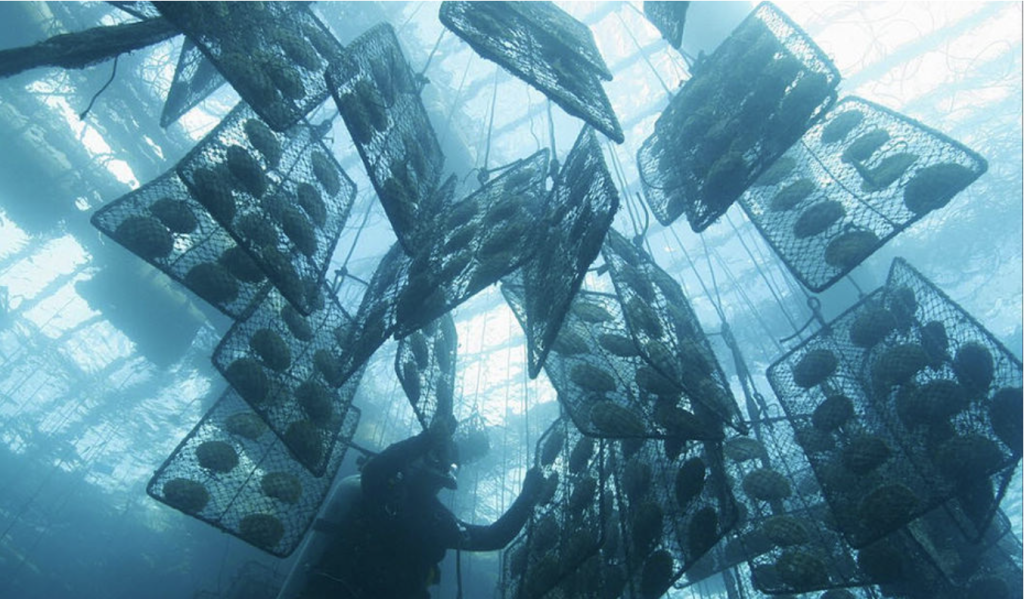
- Production takes 3–4 years
- Each oyster produces only one pearl
- High mortality and pearl rejection rates
- Limited supply and high global demand
These challenges contribute to the extraordinary value of top-grade Tahitian pearls.
4. The Philippines — The Capital of Golden South Sea Pearls
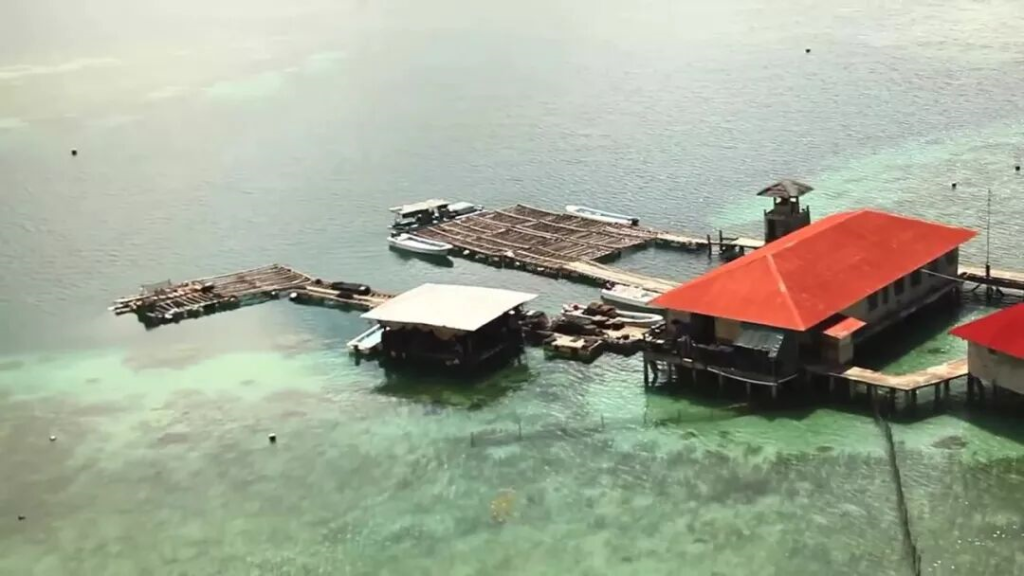
The Philippines is a top producer of Golden South Sea pearls, grown in pristine tropical waters using the gold-lipped oyster.
4.1 Key Farming Region
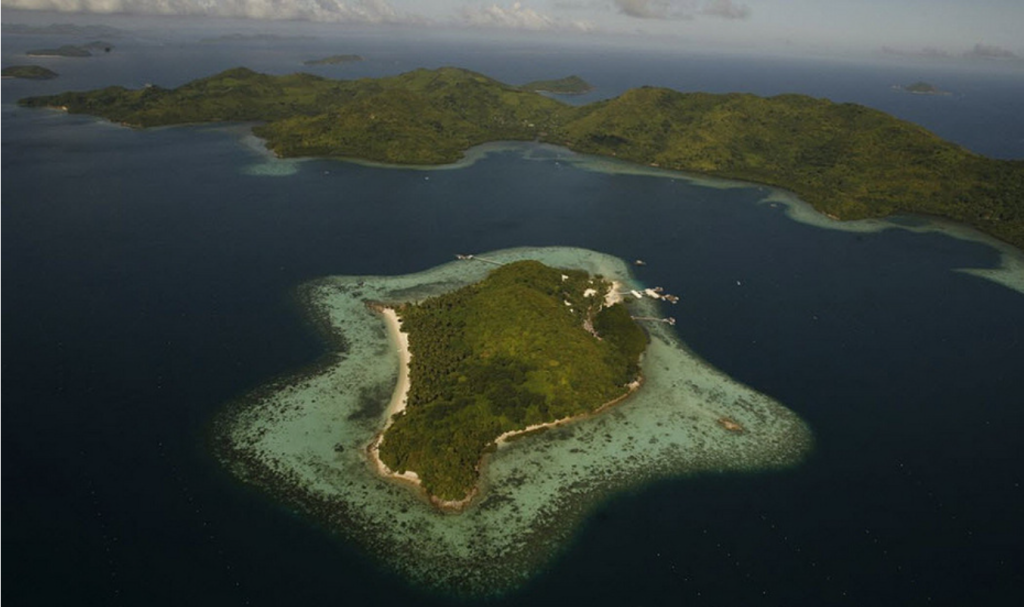
- Waters around Busuanga Island in Palawan
4.2 Why Philippine Golden Pearls Are Special
- Deep, naturally golden color
- Thick nacre
- Warm tropical overtones
- High rarity compared to white South Sea pearls
Golden pearls from the Philippines are often featured in luxury jewelry lines worldwide.
5. Indonesia — High-Quality Golden & White South Sea Pearls
Indonesia is one of the most diverse marine environments in the world, making it ideal for pearl cultivation.
5.1 Key Farming Regions
- Bali
- Lombok
- Surrounding islands
Pearl sizes typically range from 8–9 mm, slightly smaller than those from Australia.
5.2 Farming Characteristics
- Artificial hatchery techniques
- Cultivation cycle: 15–22 months
- Good luster and color saturation
- Excellent value for price
Indonesia produces both golden and white South Sea pearls, making it a major supplier in the global market.
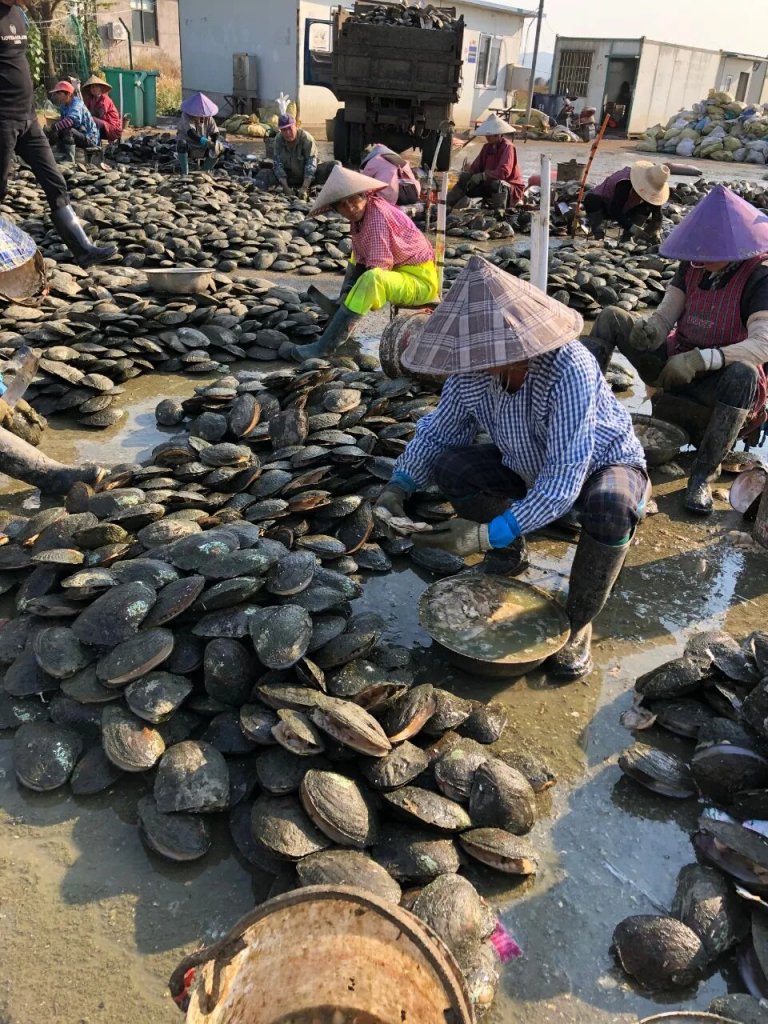
6. Myanmar — Exceptional Golden Pearls from Pristine Waters
Myanmar (Burma) produces some of the highest-quality golden South Sea pearls known for their vibrant color and thick nacre.
6.1 Key Farming Region: Mergui Archipelago
A group of hundreds of islands in the Andaman Sea, the region’s untouched waters create ideal conditions for premium-quality pearls.
6.2 Characteristics
- Long cultivation cycles (18+ months)
- Thick nacre layers
- Rich, natural golden tones
- Consistently high-quality harvests
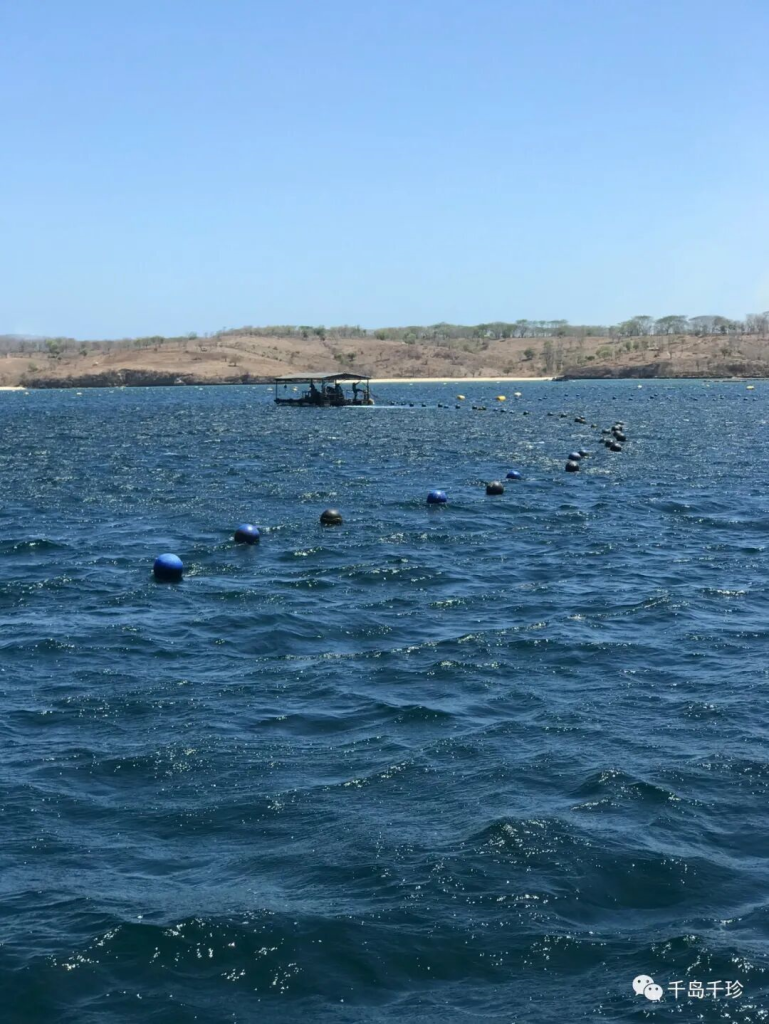
7. China — The Global Giant of Freshwater Pearls
China dominates global pearl production, especially freshwater pearls.
7.1 Overview
China produces about 95% of the world’s freshwater pearls. These pearls come in an endless variety of sizes, shapes, and colors—making them ideal for fashion-forward jewelry.
7.2 Key Farming Regions
- Zhuji (Zhejiang) — the “Pearl Capital of the World”
- Suzhou (Jiangsu)
- Jiangxi, Hubei, Anhui, and more
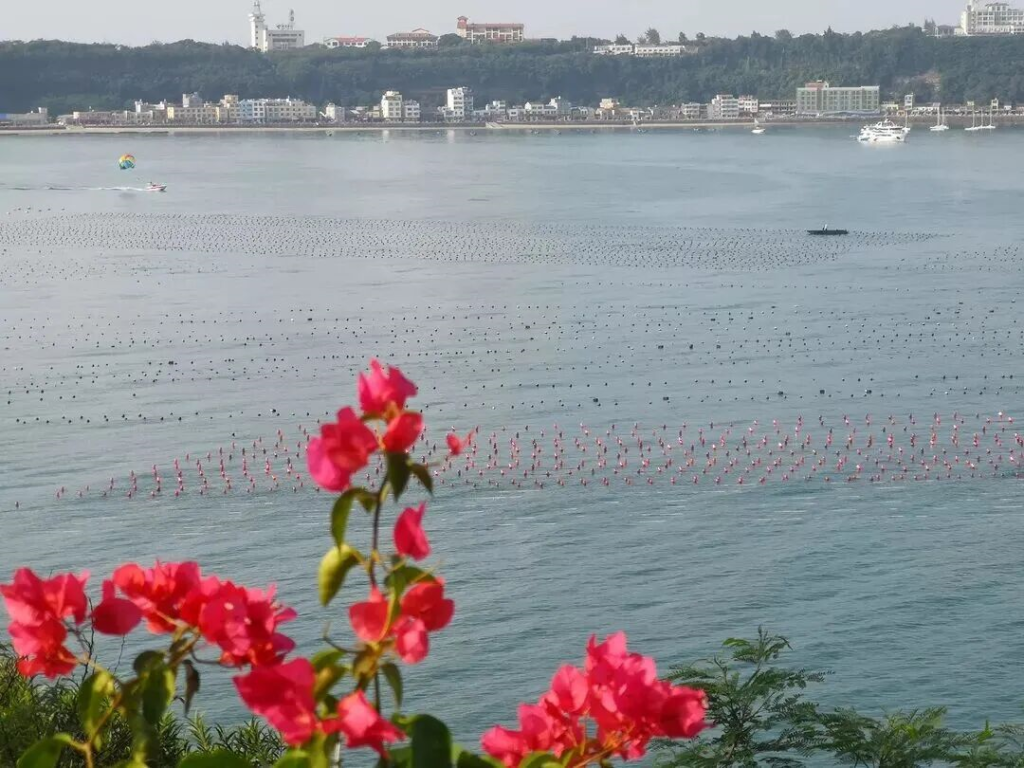
China also grows Akoya pearls along the coasts of:
- Hainan
- Guangxi
- Guangdong
7.3 Farming Characteristics
✔ Massive Production Volume
China produces nearly all freshwater pearls globally.
✔ Diverse Shapes and Styles
Freshwater pearls include:
- Round
- Oval
- Drop
- Button
- Baroque
- Edison pearls (large, high-luster varieties)
✔ Rapid Quality Improvements
Thanks to new culturing techniques, modern Chinese freshwater pearls now offer:
- Better luster
- Larger sizes
- More round shapes
Some top-grade freshwater pearls even rival mid-range Akoya pearls.
Conclusion: Which Pearl Origin Should You Recommend?
| Pearl Type | Best Origin | Key Features | Best For |
| Akoya | Japan | Mirror-like luster, perfectly round | Classic, elegant jewelry |
| South Sea White | Australia | Largest, thickest nacre, premium | Luxury buyers |
| South Sea Golden | Philippines / Myanmar | Deep gold tones, rare | High-end statement pieces |
| Tahitian Black | French Polynesia | Exotic colors, rare overtones | Trendy luxury pieces |
| Freshwater | China | Affordable, diverse shapes | Everyday jewelry & fashion |
