
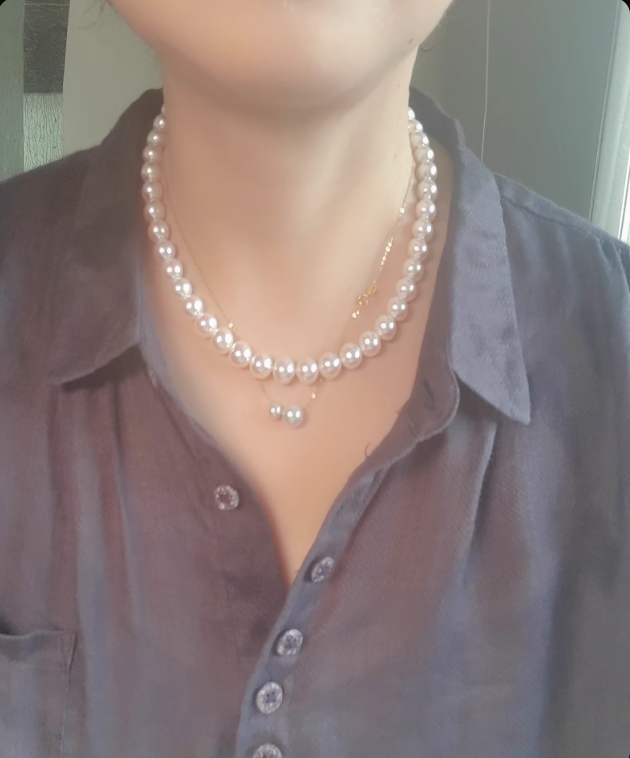
If you’re shopping for pearl jewelry—whether for yourself or for your readers as an affiliate—being able to distinguish real pearls from imitation ones is essential. Before we dive into the testing methods, let’s quickly understand the types of pearls you’ll encounter.
Types of Fake Pearls
- Types of Fake Pearls
- Plastic pearls
- Glass pearls
- Shell pearls
- Crystal pearls
Types of Real Pearls
- Freshwater pearls
- Saltwater pearls
- Natural (wild) pearls
Below are six easy, beginner-friendly ways to tell whether a pearl is real or fake. These methods are fast, practical, and can be done at home.
1. Visual Inspection
Real pearls:
- Slight variations in color and shape
- Soft, layered luster with subtle iridescence
- Small natural imperfections
- Drill holes look clean and smooth
Fake pearls:
- Perfectly uniform color and shape
- Overly glossy, artificial-looking shine
- No surface blemishes
- Drill holes may appear rough, chipped, or peeling
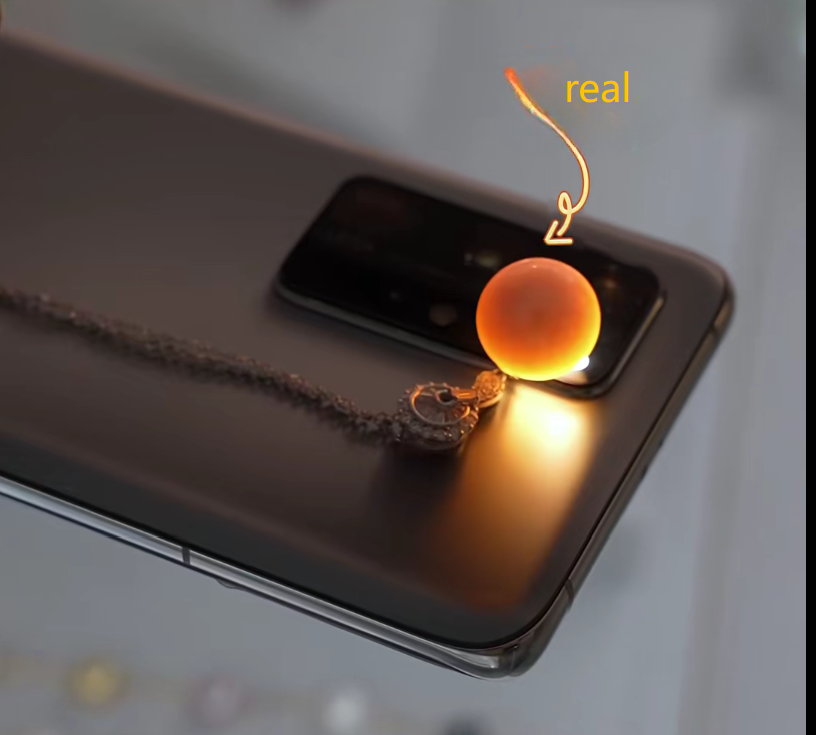
2. Light Test
Shine a light onto the pearl.
Real pearls:
- Glow with a soft, moon-like or warm reddish luster
- Show tiny, irregular natural pores when viewed closely
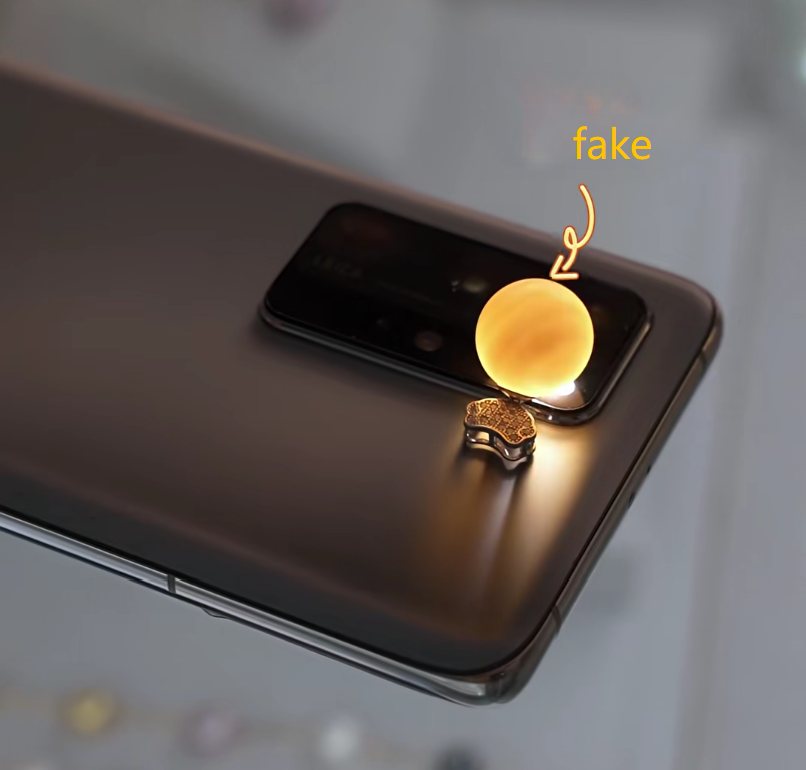
Fake pearls:
- Reflect strong, harsh light
- Show no pores
- Internal structure looks uneven or artificial
3. Temperature Test
Real pearls:
- Feel cool to the touch at first
- Warm up gradually to your body temperature
Fake pearls (especially plastic):
- Do not feel cool
- Warm up almost instantly
4. Fire Test (Not Recommended)
Real pearls:
- Do not turn black when exposed to flame
- May crack if overheated due to moisture loss
Fake pearls:
- Plastic pearls melt or turn black
Note: This test can damage pearls—avoid using it unless absolutely necessary.
5. The Rub Test
Gently rub two pearls together.
Real pearls:
- Feel slightly gritty or sandy
- May produce a small amount of pearl powder
- Powder disappears when wiped
Fake pearls:
- Feel smooth and frictionless
- Coatings may peel off in larger flakes
6. Scratch Test
Lightly scrape the pearl surface.
Real pearls:
- Produce fine pearl powder
- No lasting scratch after wiping
- For thin-nacre cultured pearls, test with caution
Fake pearls:
- Coating peels
- Visible scratch marks remain
Try It Yourself
If you have pearls at home, try these simple methods to get a clearer sense of whether they’re genuine. Understanding these basics not only helps you make smarter purchases but also builds trust with your audience when recommending pearl products as an affiliate.
