Pearls, shiny gems that come from the ocean and are said to be touched by the moon, have fascinated people for thousands of years. Each pearl is a unique work of nature, formed by the environment and the mollusk that creates it, leading to many different types. Let’s explore the amazing world of pearls and discover their timeless beauty.
Saltwater Pearls:
1.Akoya Pearls:
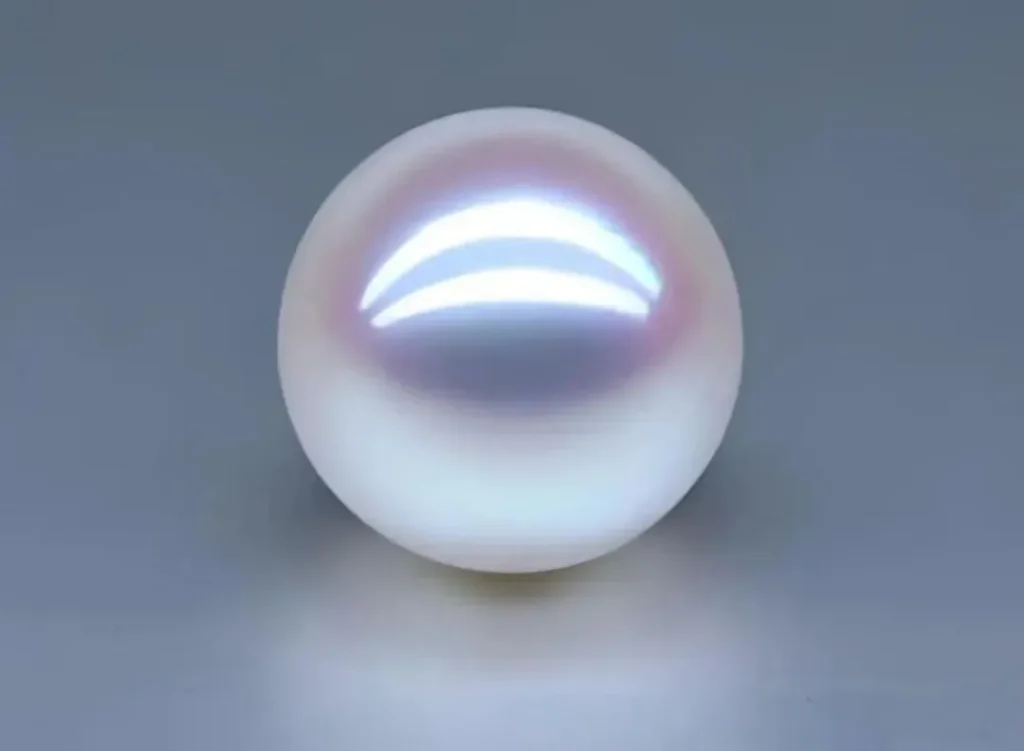
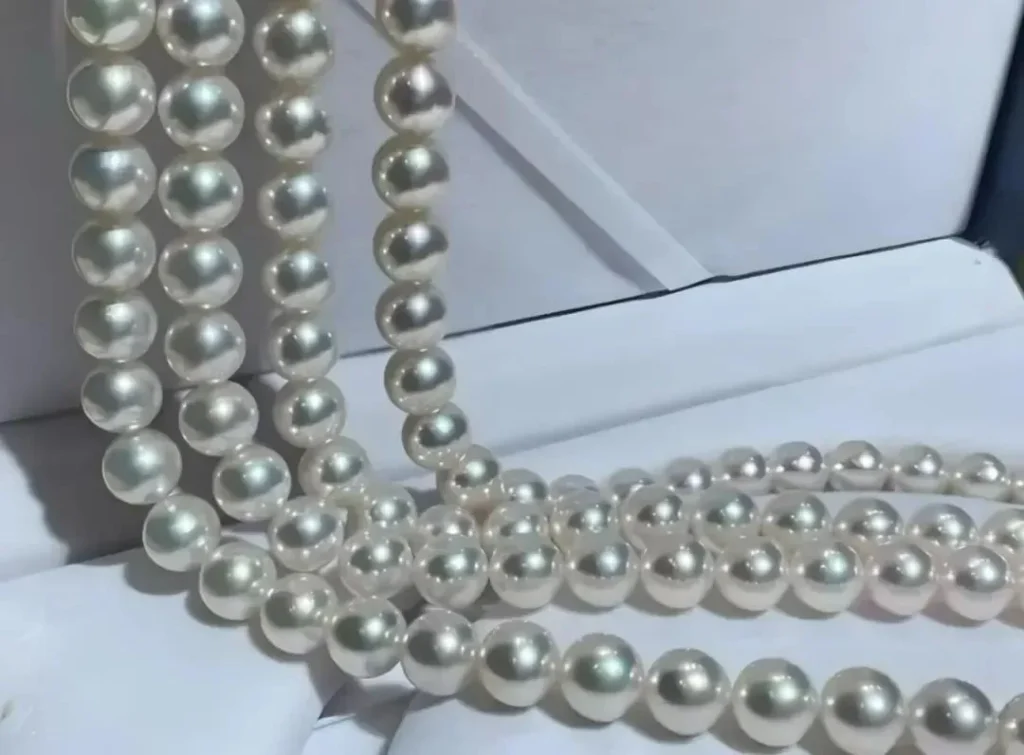
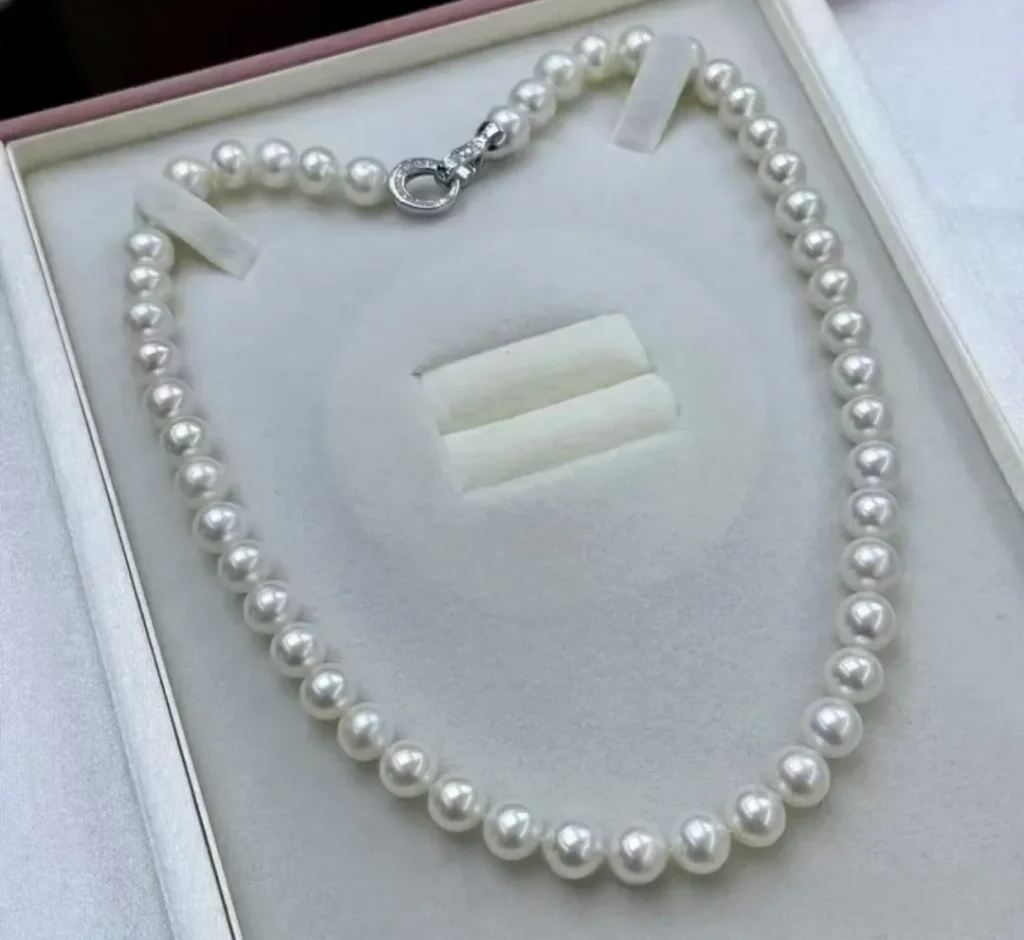
These pearls come from the Akoya oyster, mainly found in the waters off Japan (in places like Mie and Ehime Prefectures), though high-quality Akoya pearls are also produced in China and Vietnam.
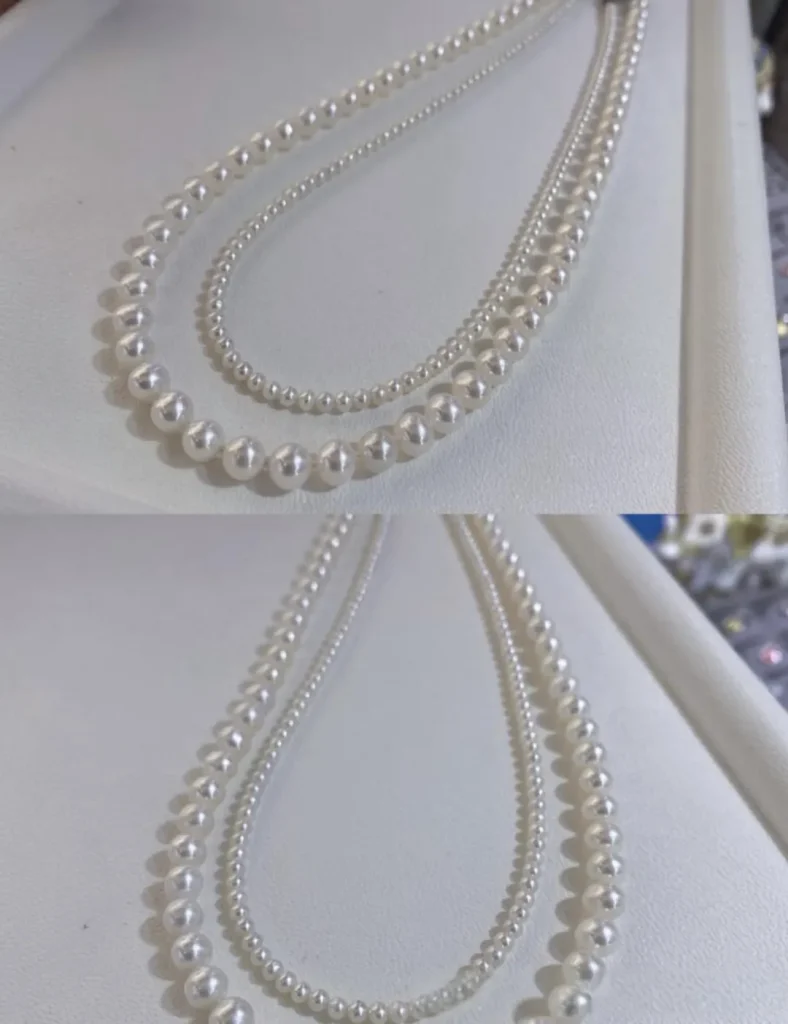
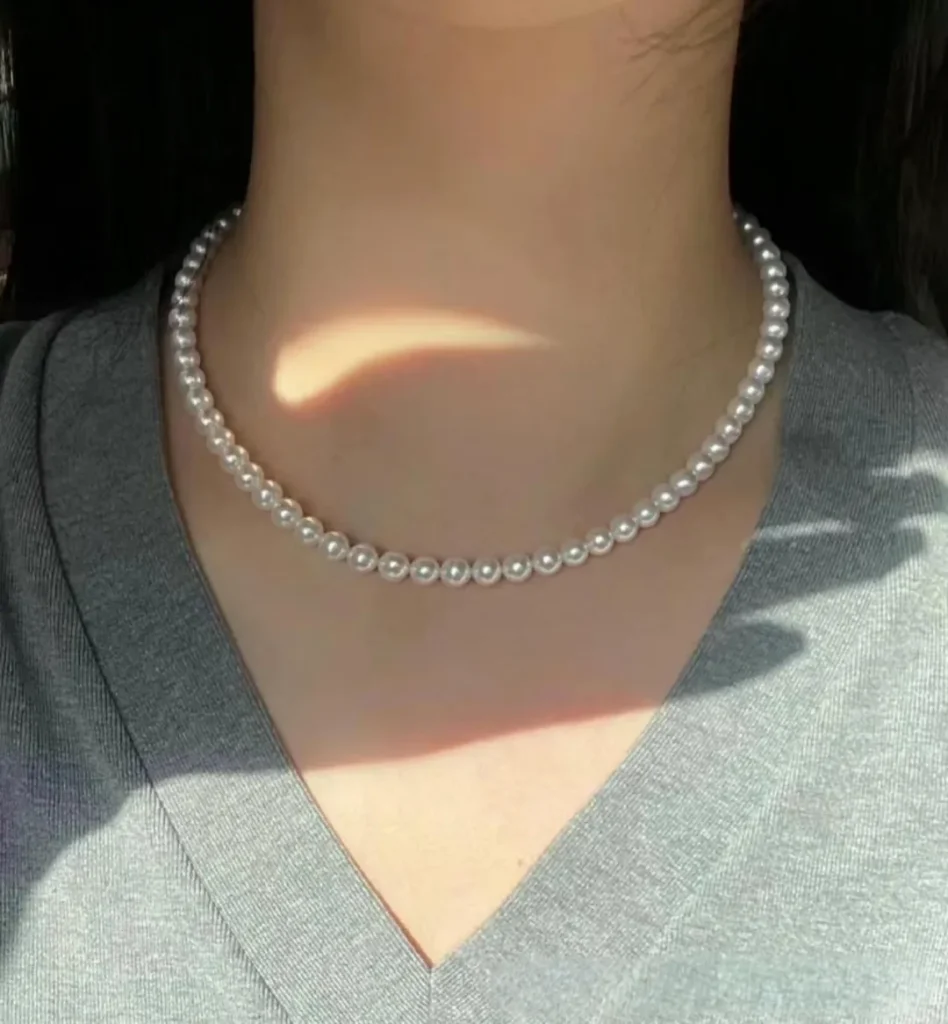
Characteristics: Akoya pearls are generally smaller in size, ranging from 2 to 10mm, and are typically round. Known for their intense luster and sharp, mirror-like shine, they are often called “little light bulbs.” They are mostly white or cream, with beautiful overtones of pink and silver-blue.
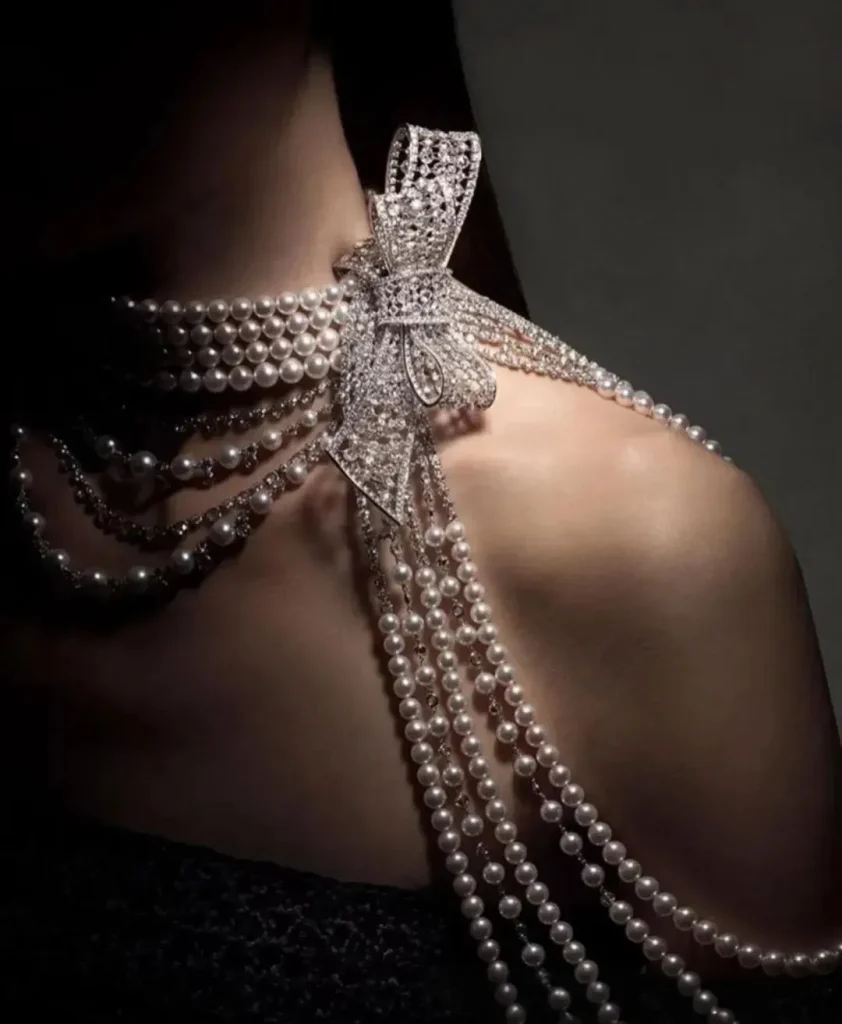
Status: Akoya pearls are the epitome of classic elegance, making them the top choice for refined jewelry like pearl necklaces and earrings.
2. South Sea Pearls
Mother Oyster: The large White-lipped Oyster (produces white and silver South Sea pearls) and the Gold-lipped Oyster (produces golden South Sea pearls).
Location: Found in the vast waters of the South Pacific, including areas off the northwest coast of Australia, Indonesia, the Philippines, and Myanmar.
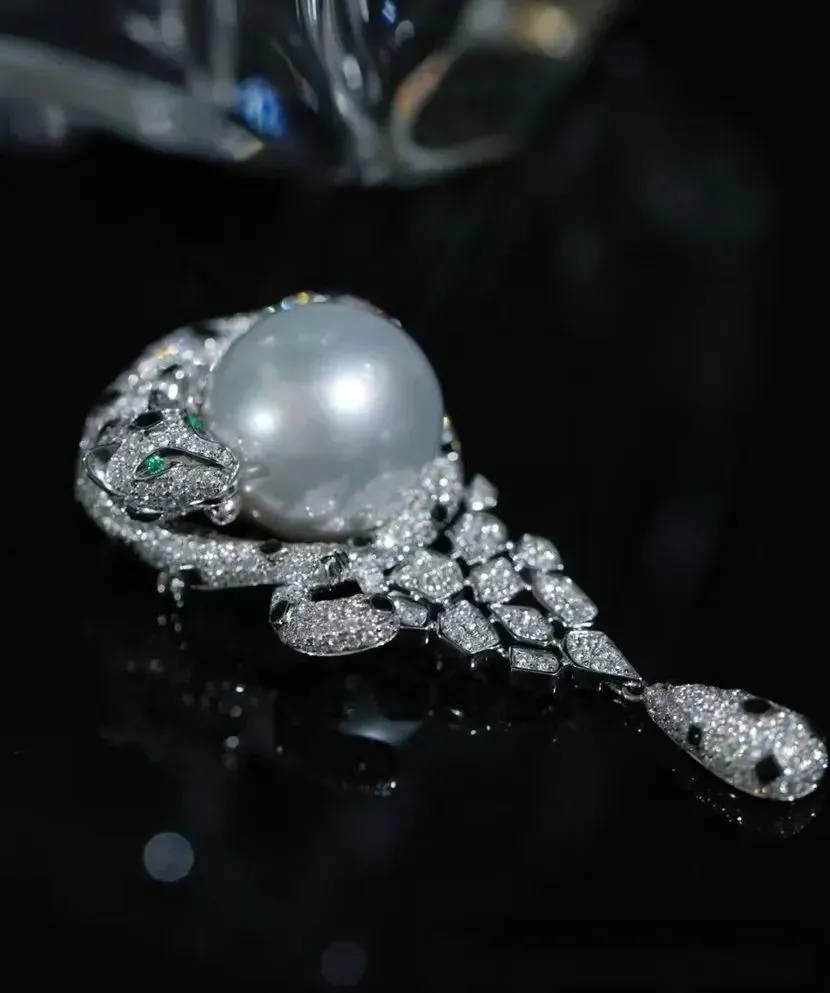
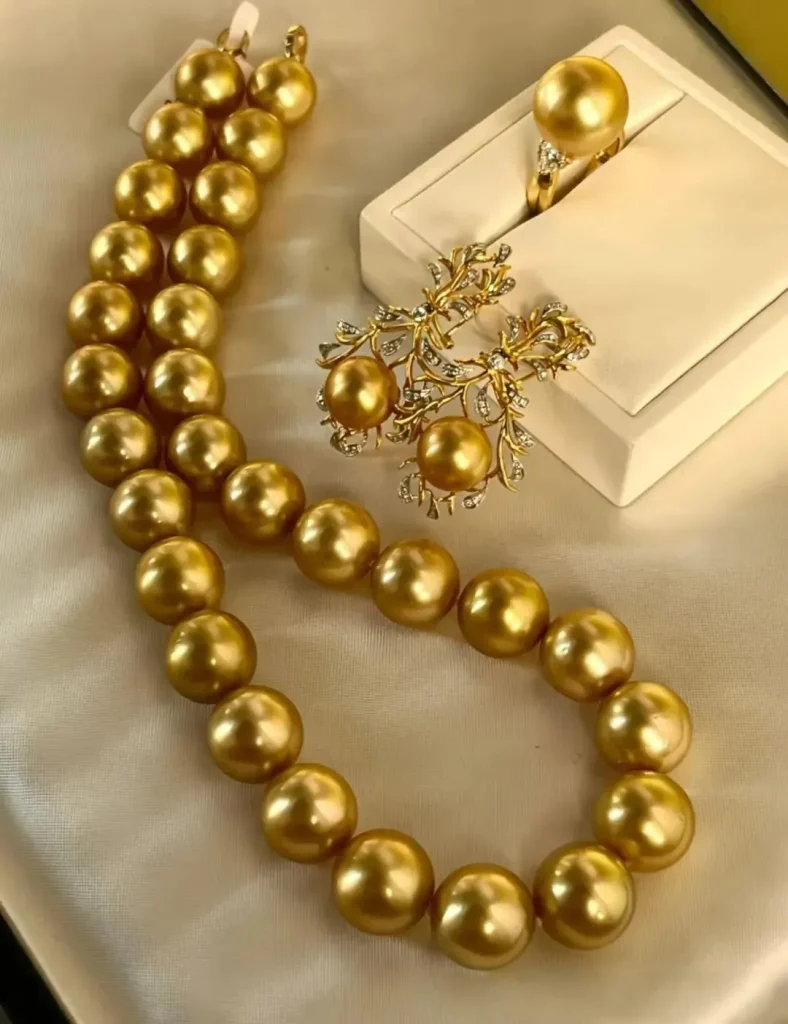
Characteristics: South Sea pearls are known for their massive size (commonly 10-18mm, and sometimes even larger). They have thick layers and a smooth, velvety texture. These pearls exude a luxurious and regal feel.
White South Sea Pearls: These pearls are pure white, silver-white, or have beautiful overtones of pink and silver-blue. Their deep, soft luster makes them the finest among white pearls.
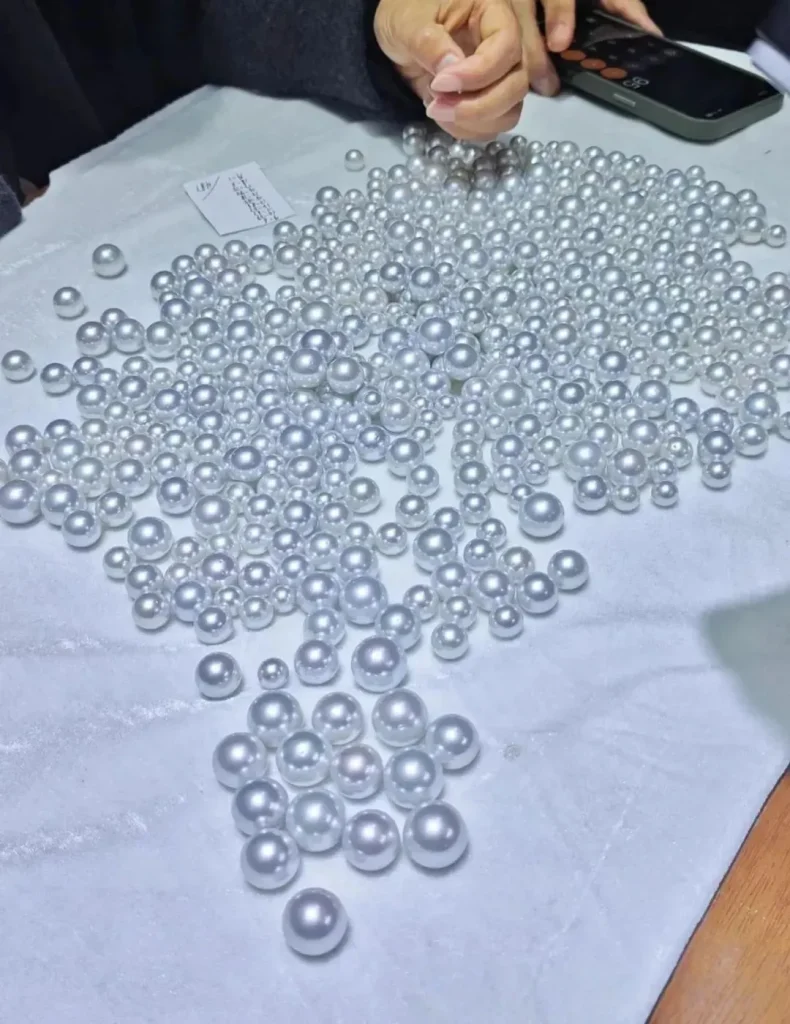
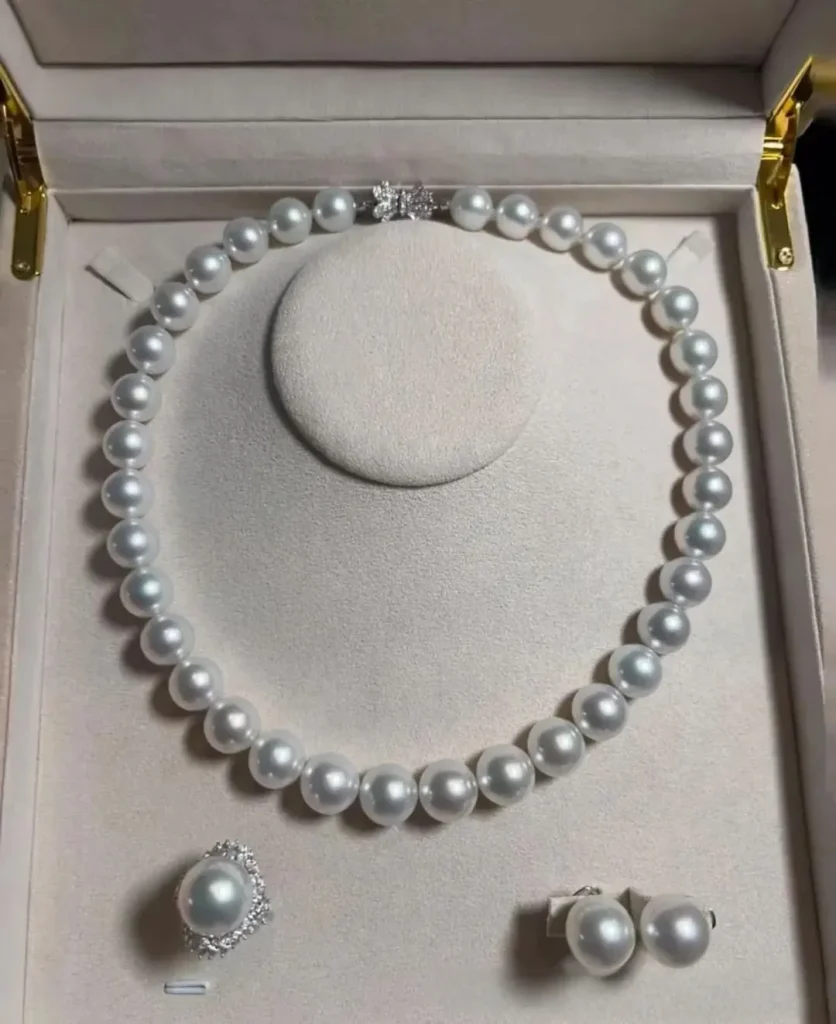
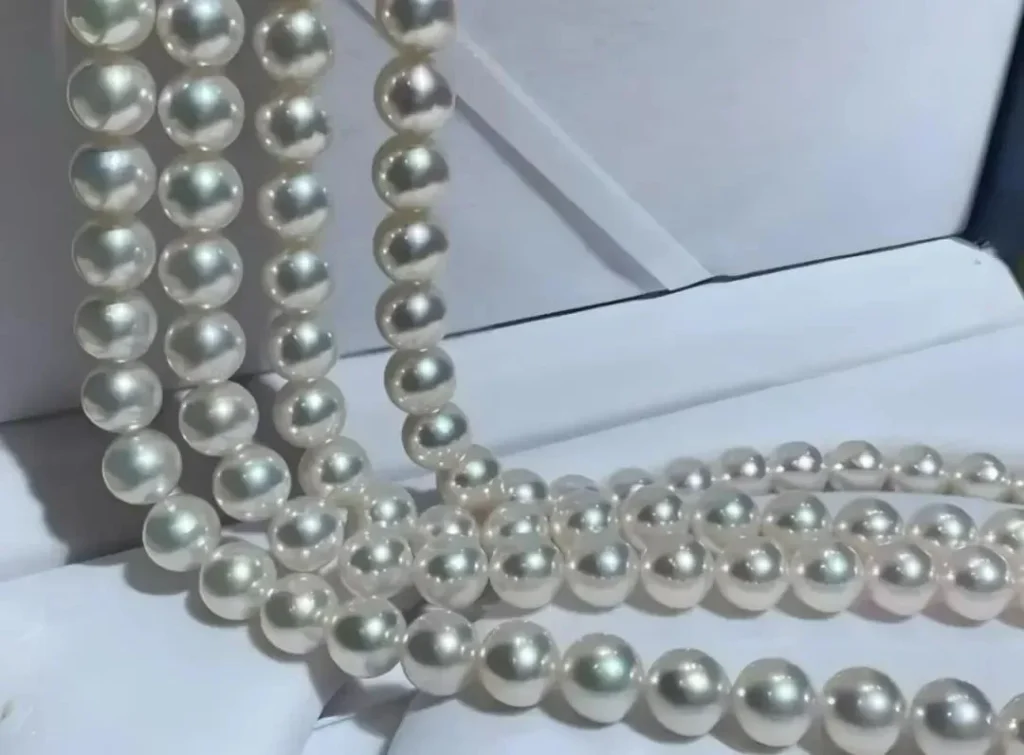
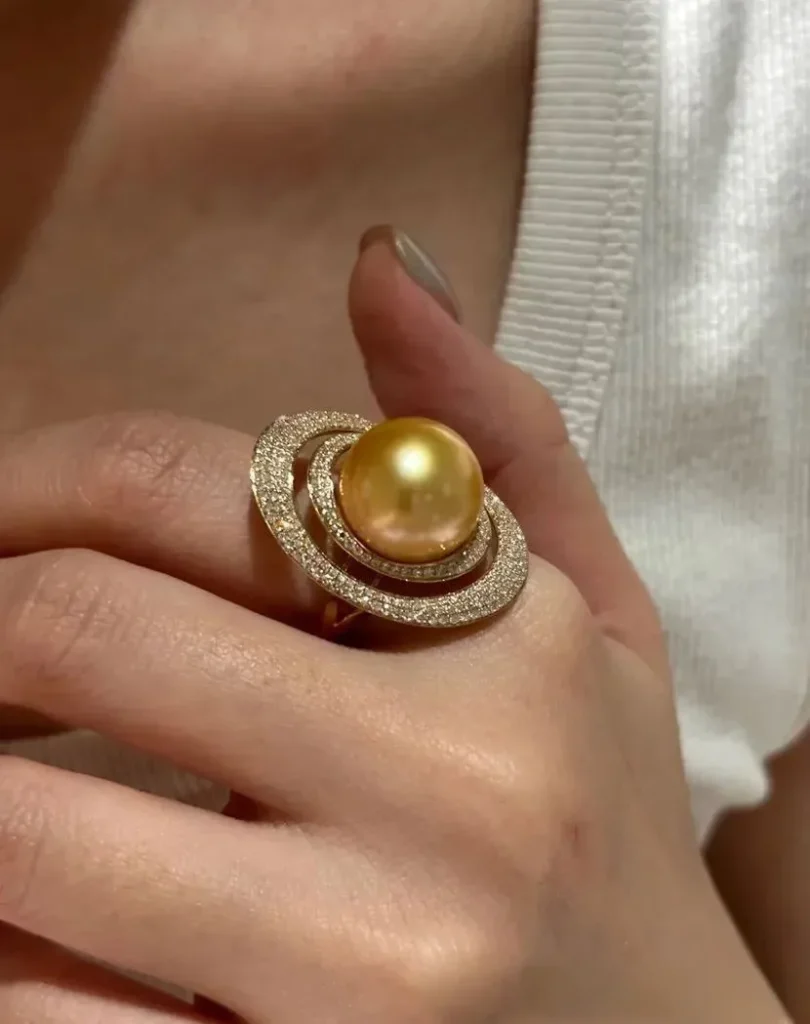
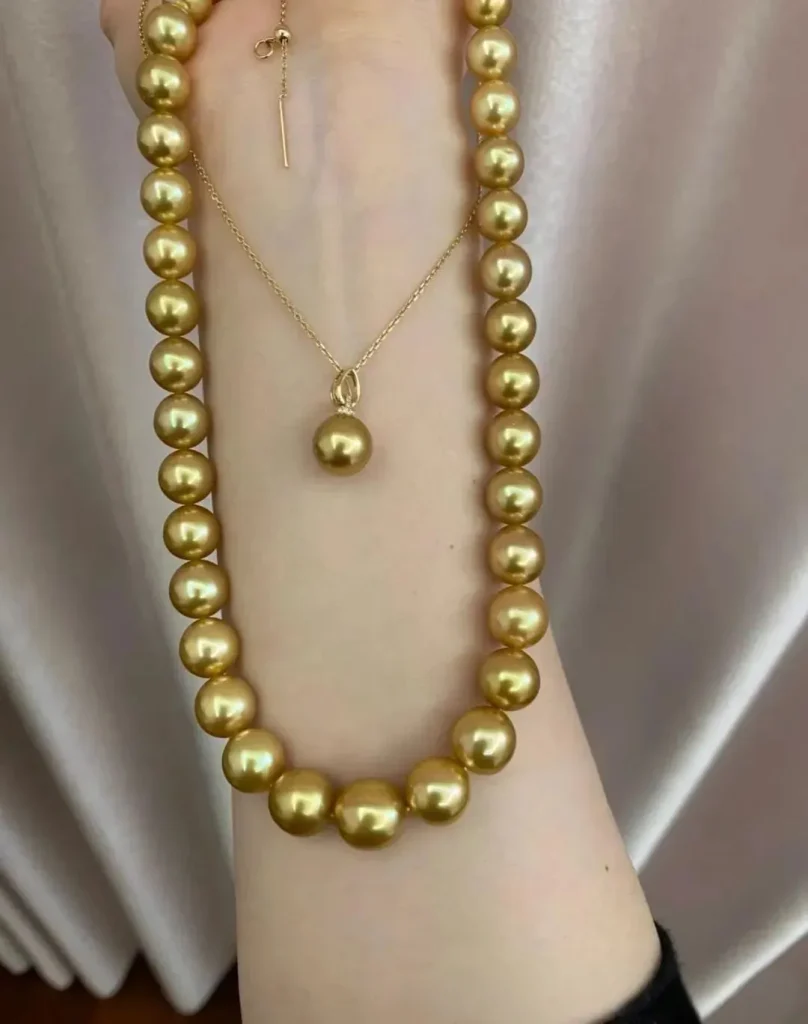
Golden South Sea Pearls: Ranging from soft gold to rich, deep tea-gold, these pearls are strikingly brilliant and display elegance and wealth.
Status: Known as the “king” and “queen” of the pearl world, South Sea pearls are incredibly valuable and are highly prized in both high-end jewelry and collections.
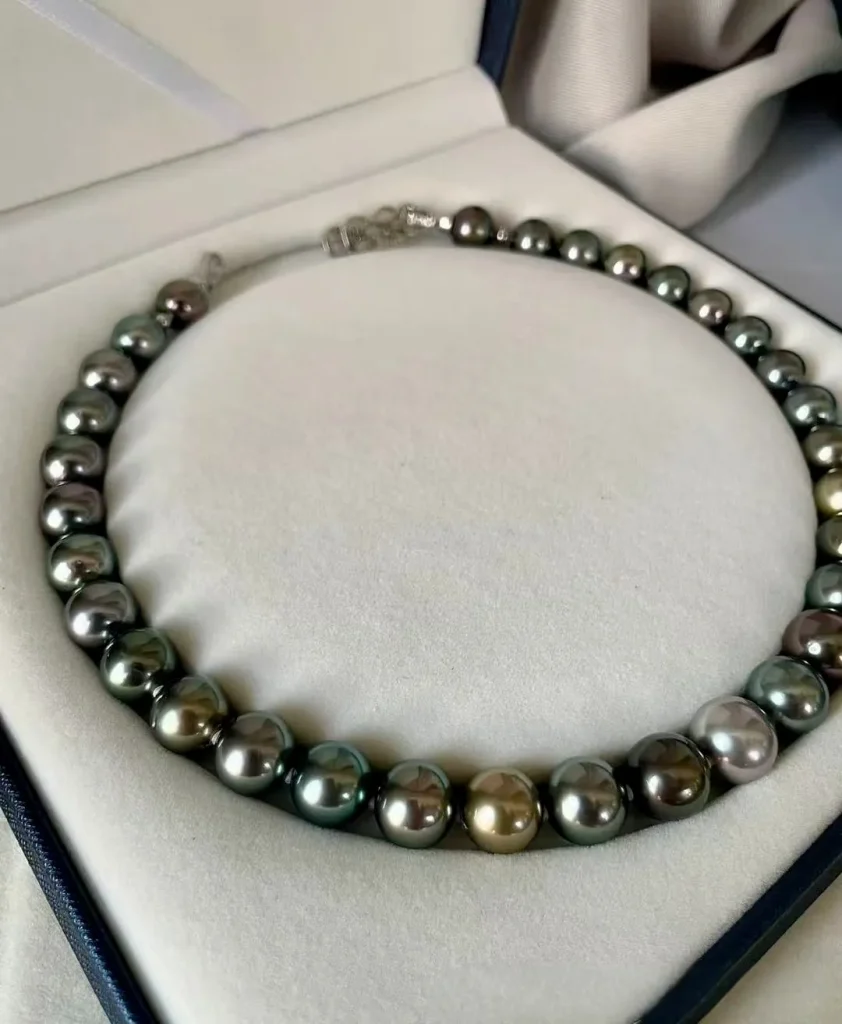
3. Tahitian Pearls (Black Pearls)
Mother Oyster: The mysterious Black-lipped Oyster.
Location: Found in French Polynesia (with Tahiti as the core), as well as the Cook Islands and other nearby regions.
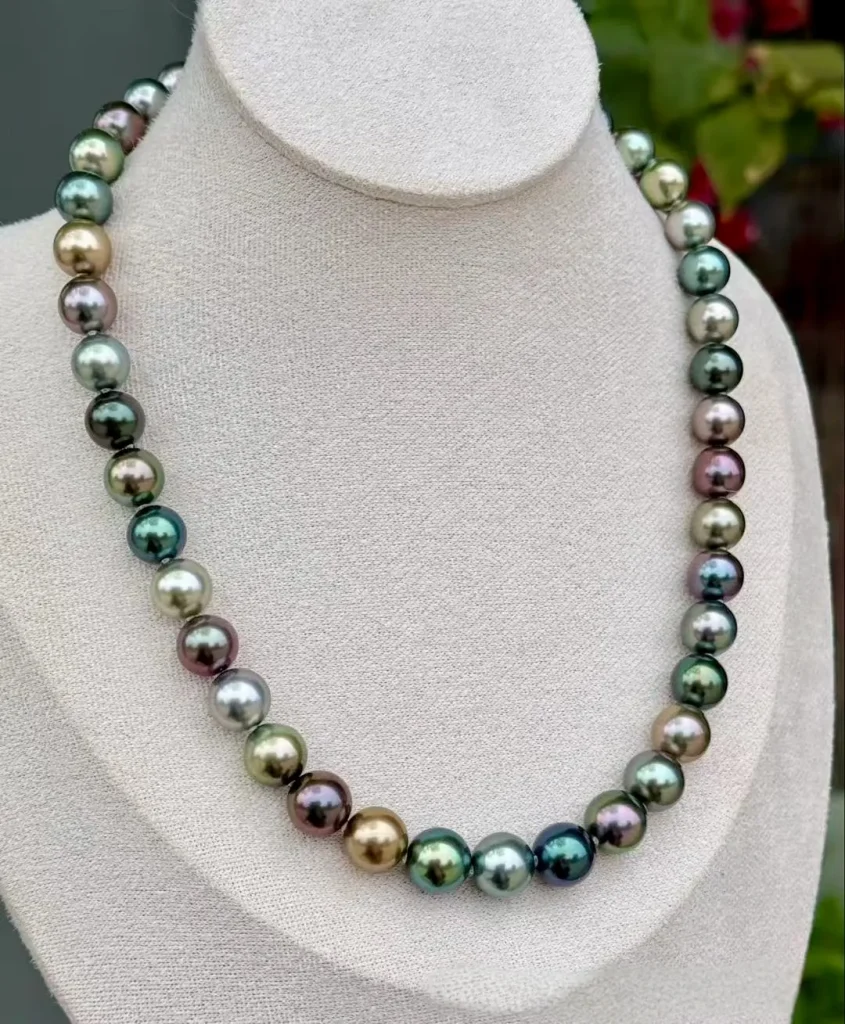
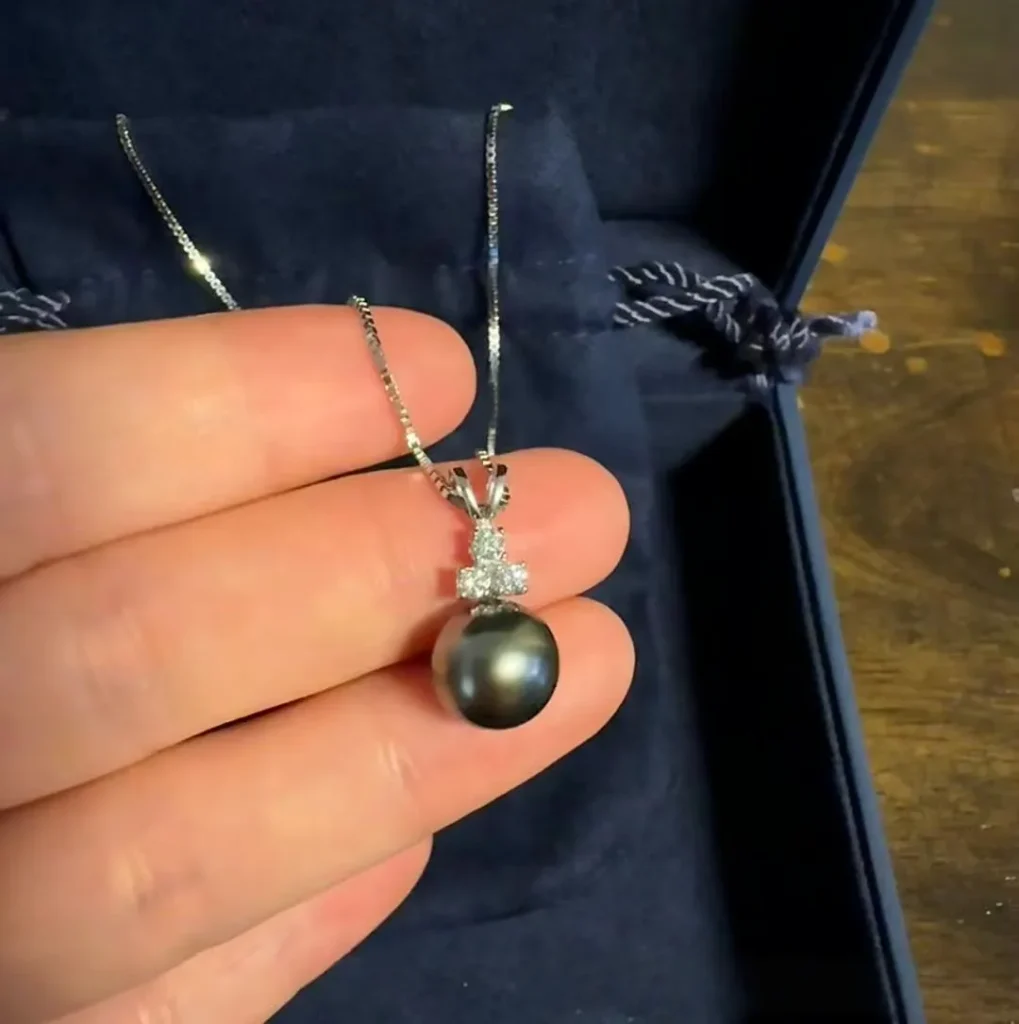
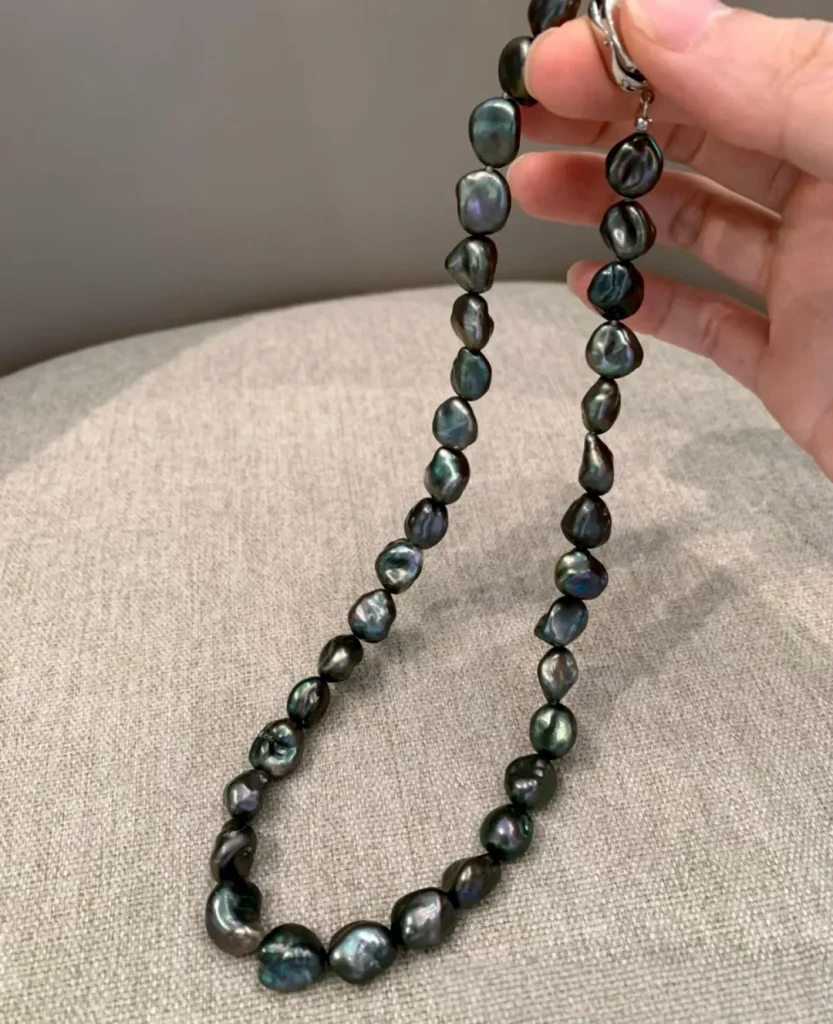
Characteristics: Tahitian pearls are medium-sized (typically ranging from 8-14mm). What makes them truly special is their deep, mysterious color: they’re not purely black but are known for their stunning peacock green, rich purple, platinum gray, and oceanic blue tones. Their overtones are bold and ever-changing, resembling the northern lights in the dark of night.
Status: Often called the “Queen of Pearls,” Tahitian pearls have an exotic, enchanting allure and are the perfect choice for designers looking to showcase creativity and individuality.
4. Mabe Pearls
Mother Oyster: Pinctada oysters, such as the White-lipped Oyster and the Black-lipped Oyster, among others (cultivated on the inside of the shell).
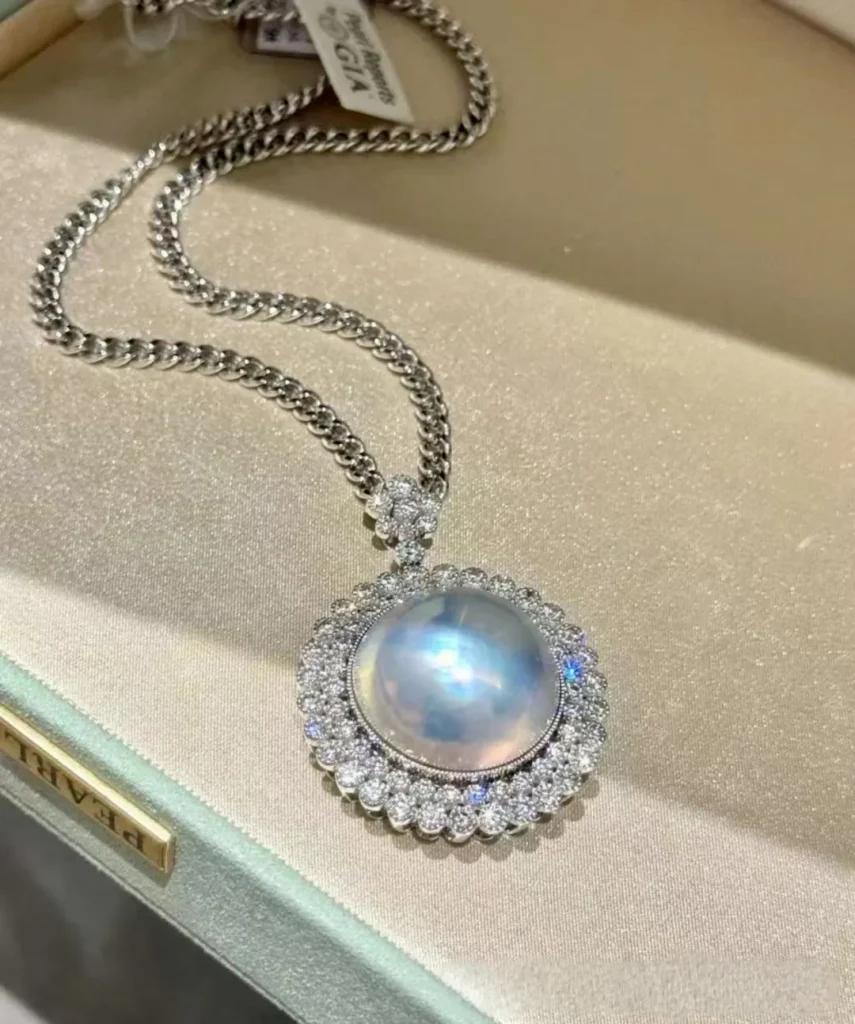
Formation: Mabe pearls are a type of blister pearl. A half-spherical nucleus is attached to the inner wall of the oyster shell, and the pearl forms around it, creating a unique, flat-backed pearl.
Characteristics: Mabe pearls are typically larger in size, ranging from 10mm to 20mm, and can even grow larger. They come in various shapes, including round, teardrop, heart, and oval. These pearls have a strong, vibrant luster, often displaying a dreamy iridescence. The back of the pearl is filled and covered with a layer of the shell or a protective coating.
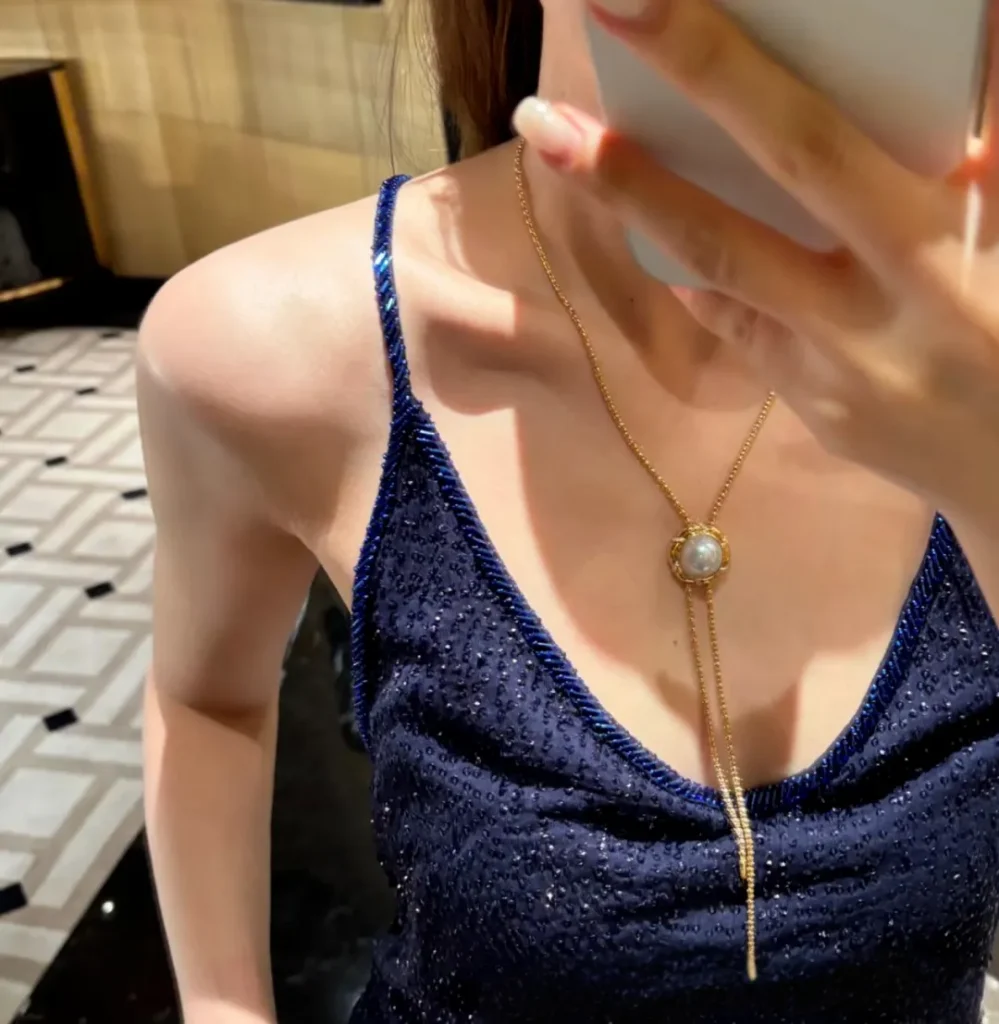
Status: Known for their distinctive shapes and artistic design, Mabe pearls are frequently used in making pendants, earrings, and rings, adding a bold and creative touch to jewelry.
Freshwater Pearls
1. Traditional Freshwater Non-Nucleated Pearls
Mother Oyster: Triangle Mussels, mainly found in China.
Formation: A small piece of living tissue (a fragment of the mantle) is inserted into the oyster, stimulating it to secrete nacre and form a pearl. No nucleus is used in this process.
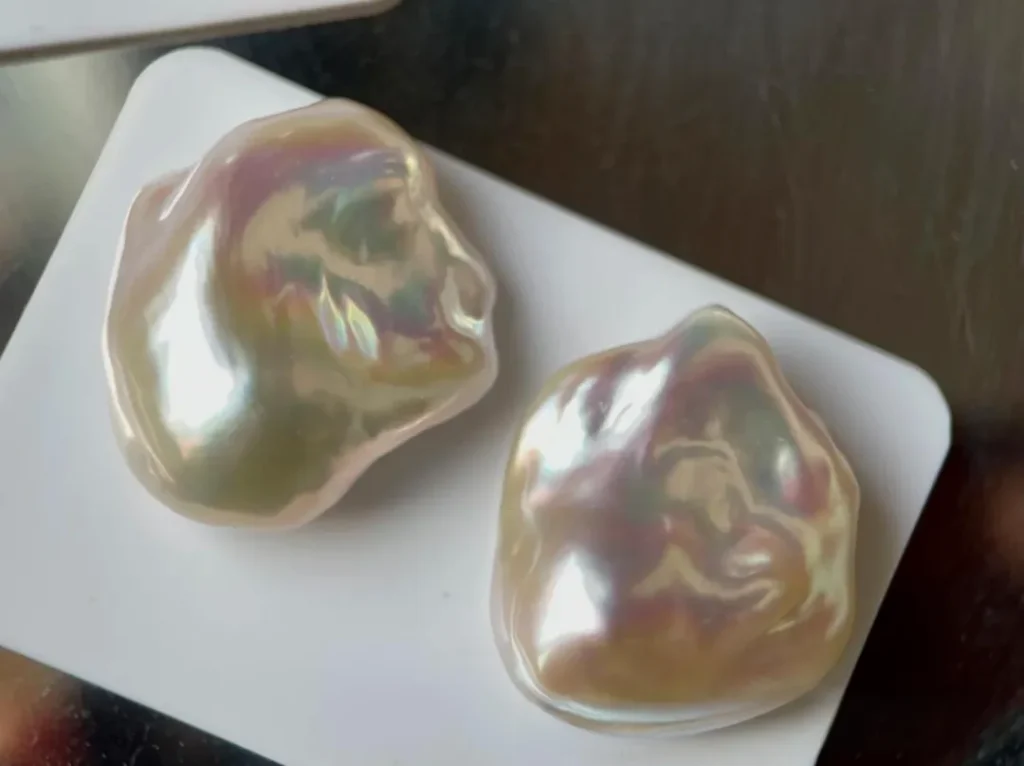
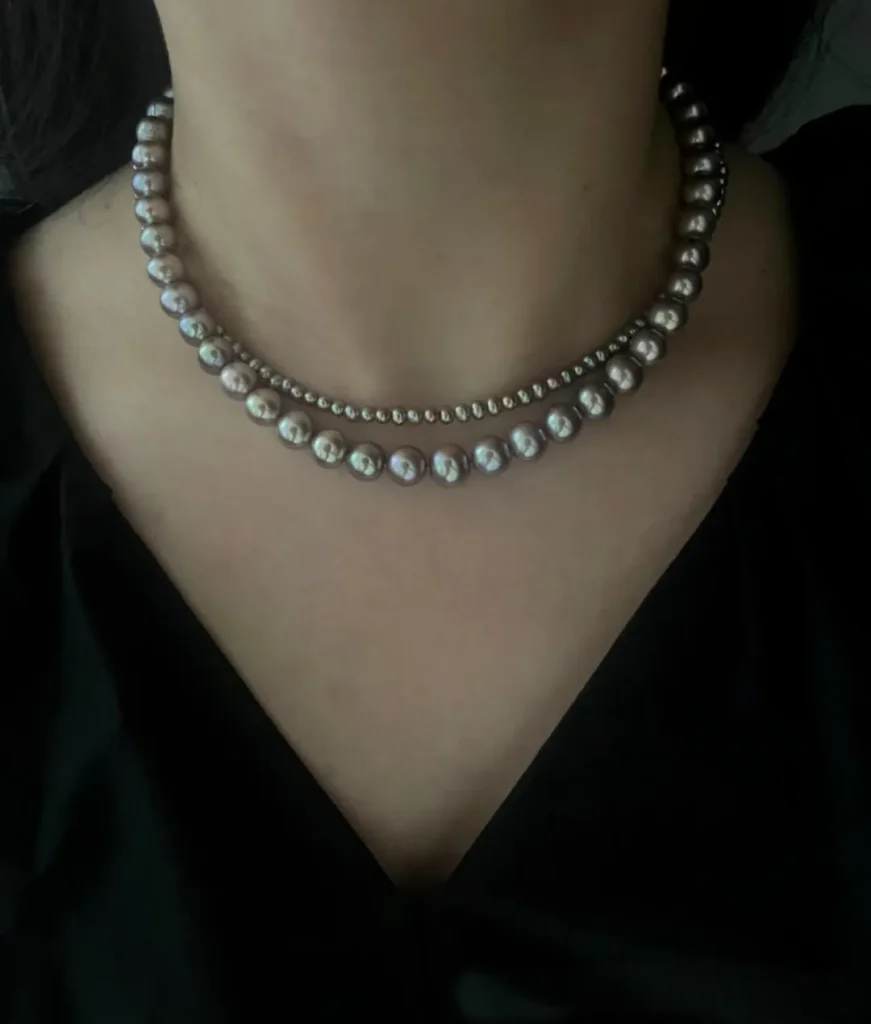
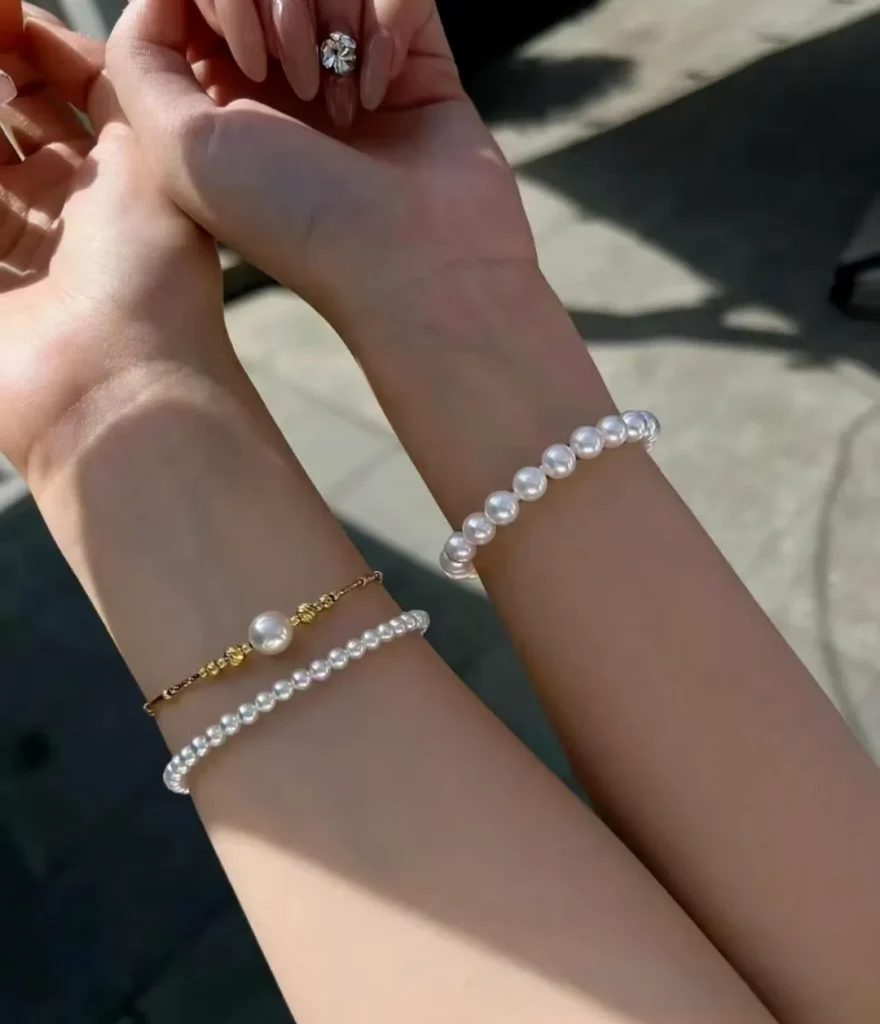
Characteristics: Freshwater pearls come in an incredibly wide range of shapes, including round, near-round, oval, flat, teardrop, Baroque (irregular), and rice-shaped. They also come in a variety of vibrant colors like white, pink, orange, purple, gold, and chocolate brown. These pearls are produced in large quantities and can vary greatly in size (usually between 2mm and 12mm). Their luster can range from soft to bright.
Status: Known for their excellent value, freshwater pearls offer the widest variety of shapes and colors, making them a go-to choice for everyday wear and creative jewelry designs.
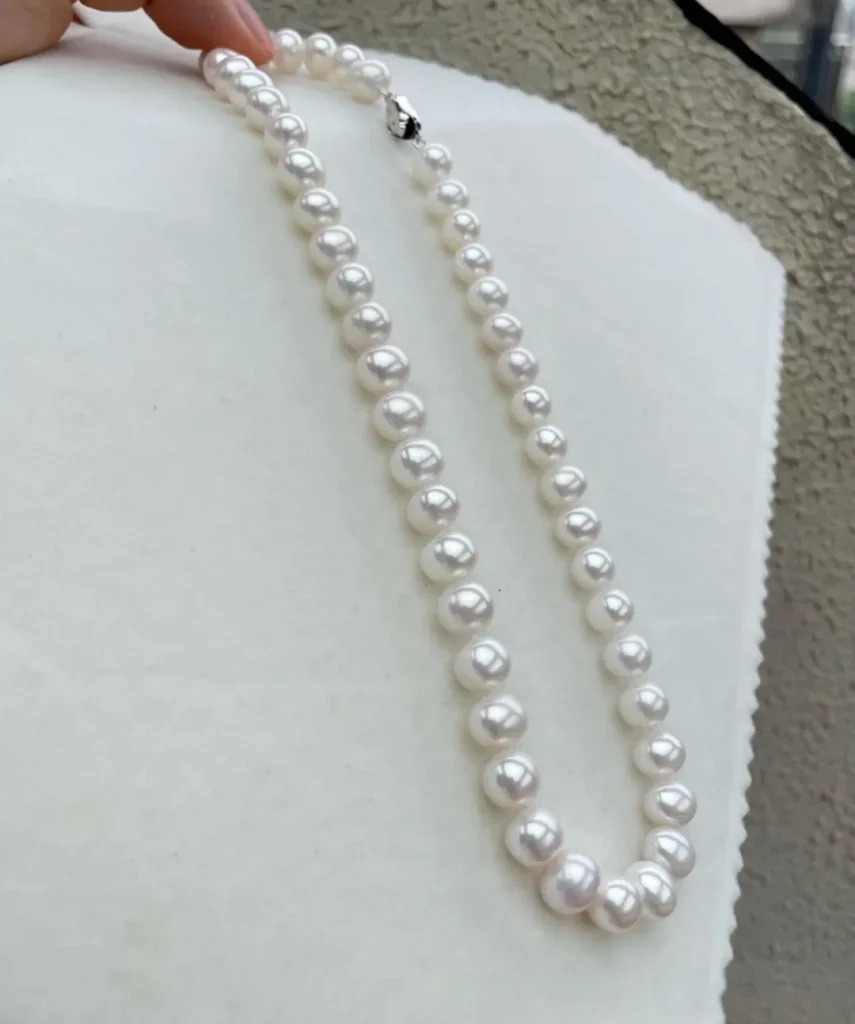
2. Freshwater Nucleated Pearls (Edison Pearls, etc.)
Mother Oyster: Triangle Mussels (improved variety).
Formation: A round nucleus is implanted into the oyster (similar to how saltwater pearls are cultivated), along with a small piece of tissue to stimulate the pearl’s growth.
Characteristics: Freshwater nucleated pearls are highly round and larger in size (usually ranging from 9mm to 16mm), with thick layers of nacre. They come in a variety of colors, including white, pink, purple, and gold. Their luster is comparable to high-quality saltwater pearls.
Representative: Edison Pearls are a standout example of Chinese cultivation, known for their large size, excellent roundness, and unique colors, especially deep gold and rich purple.
Status: Edison pearls have revolutionized the freshwater pearl industry by offering large, round pearls that are close in quality to saltwater pearls but at a more affordable price. They have become a strong contender in the market.
Special-Shape Pearls
Keshi Pearls
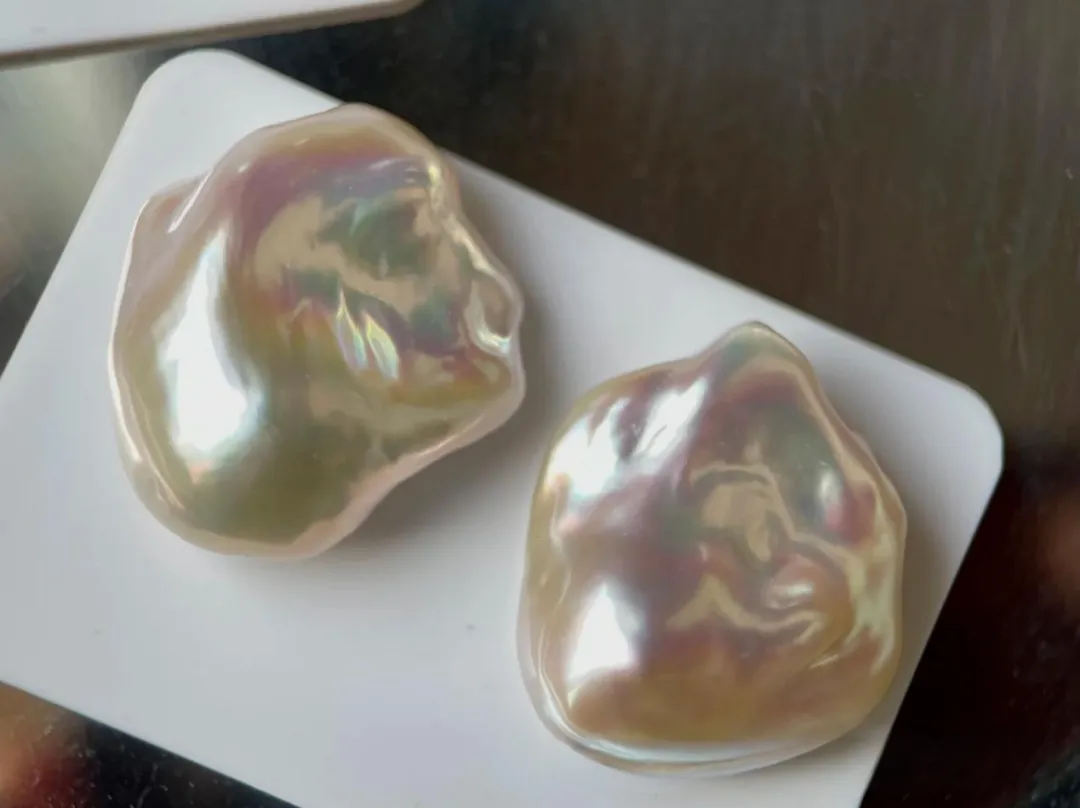
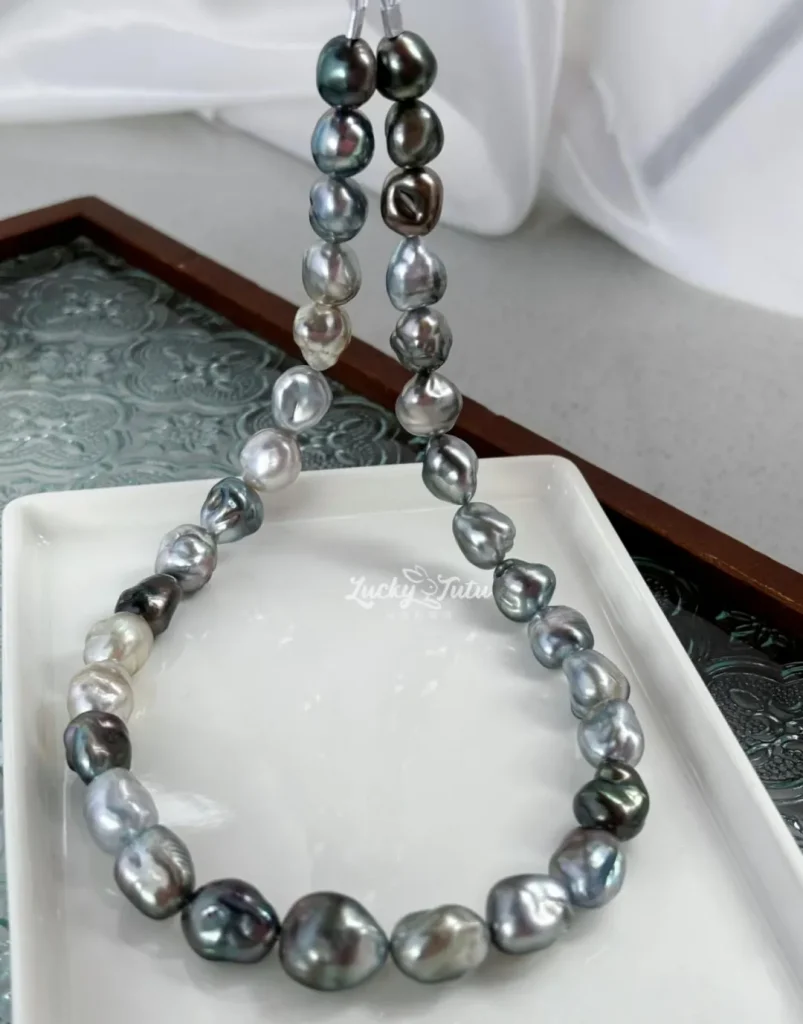
Keshi pearls are non-nucleated pearls that accidentally form during the cultivation of either saltwater or freshwater pearls. They usually have irregular, Baroque shapes and are typically small in size. Since they are made entirely of nacre (the substance that gives pearls their luster), Keshi pearls often have a very strong shine and beautiful overtones. These pearls are rare and highly valued by those who appreciate unique, natural beauty.
Natural Pearls
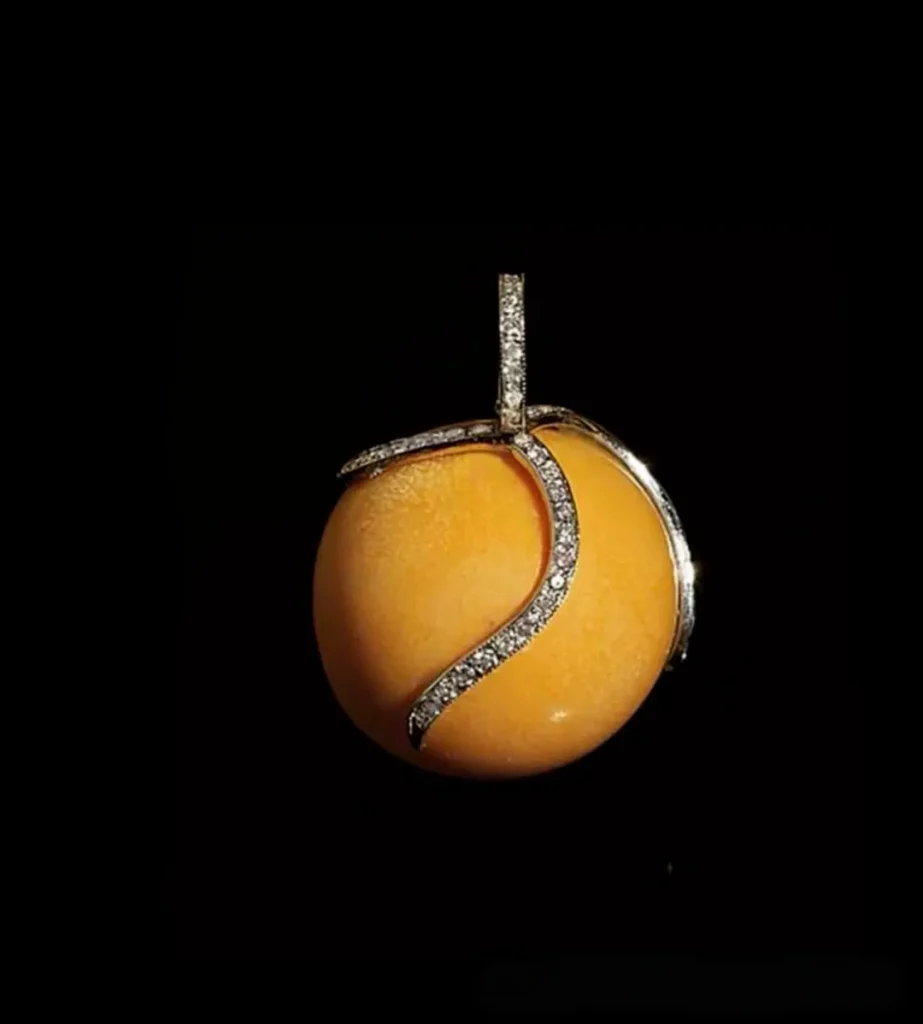
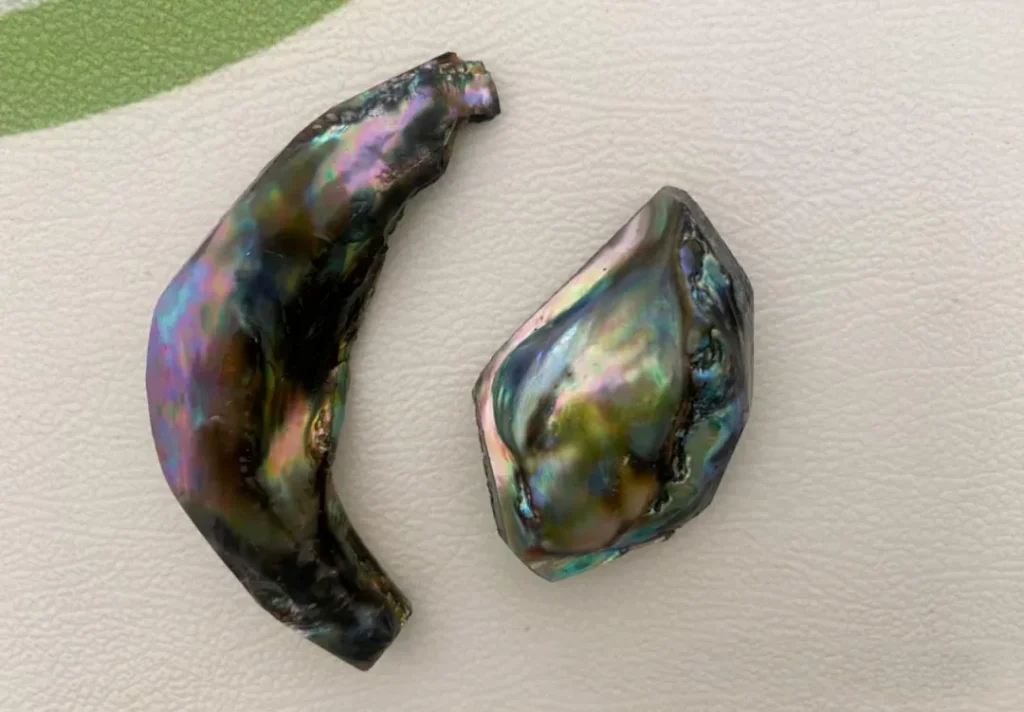
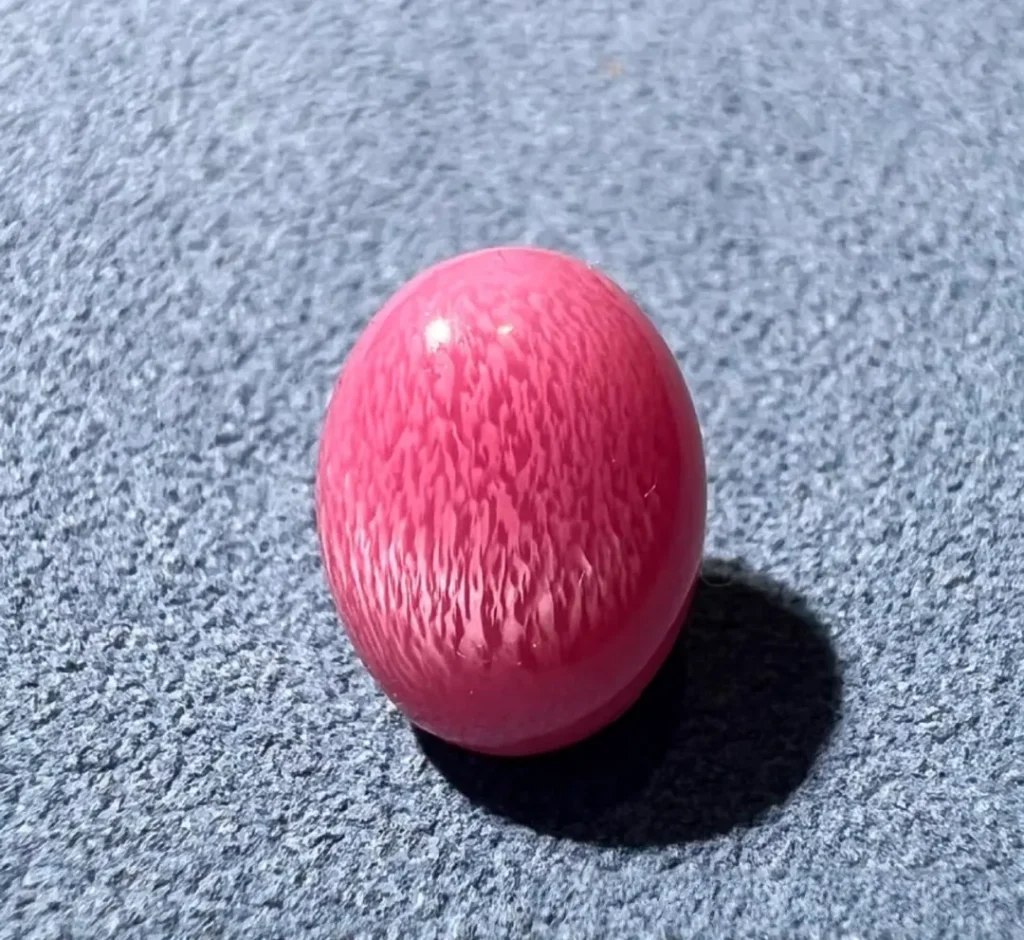
Natural pearls are formed inside wild oysters without any human intervention. These pearls are incredibly rare and extremely valuable, often found in antique jewelry or at auctions. Examples include Conch pearls, Melo pearls, and Abalone pearls.